


Madison Kailey Acosta
My research interests focus on cognitive behavior specifically how stress and high-pressure environments such as those in law enforcement and correctional settings influence individuals' emotions and behaviors. My goal is to understand these psychological processes and use that knowledge to support rehabilitation and reintegration within the criminal justice system. I am passionate about the potential for personal growth and strongly believe that, with the right psychological support, individuals can make a meaningful change in their lives. Learning about the impact of cognitive-behavioral therapy on incarcerated individuals strengthened my desire to explore how research can create opportunities for recovery and transformation. I hope to continue developing my research skills and eventually pursue a Ph.D., where I can study how stress, cognition, and decision-making interact to shape someone's behavior. Above all, I am driven by the belief that people are capable of growth, healing, and building better futures for themselves.
Mentor: Dr. Randall Osborne
Otilio Barro
My research interests are in health/social psychology. I enjoy learning anything to improve both mental and physical health and how certain behaviors negatively and positively have an effect. Similar to my mentor, I am interested in how psychosocial factors, for example, social support, patient adherence, or patient/physician relationship, have an effect on an individual's ability to follow through their medical recommendation for better health outcomes. If possible, I would like to explore other factors that can have an influence on someone’s health, for example, social media usage and its effects on an individual’s health behaviors along with their mental and physical state. If the opportunity arises, I would like to do research in other subfields like cognitive psychology, since the brain can influence health factors like forgetfulness in patient adherence. As of now, my plans after the program are to go into the job market in either public health or data analytics, so I can hone my research skills and become more competitive for a PhD in health or clinical psychology, as I aspire to potentially go into academia to teach and do research.
Mentor: Dr. Kelly Haskard Zolnierek
Kalyssa Brianne Castillo
I’m especially interested in forensic psychology, though I’m also drawn to developmental, social, and personality psychology. My main focus is understanding how childhood adversity influences emotional regulation, decision-making, and potential involvement in the criminal justice system. I have experience working with neurodivergent children and children with special circumstances, which has strengthened my commitment to studying individual differences in coping and resilience. Methodologically, I enjoy both interviews and experimental designs, as they offer complementary insights into behavior and cognition. After completing my master’s degree, I plan to pursue a doctoral program in clinical psychology. I hope to combine clinical work and research, potentially within the criminal justice system, while remaining open to any setting where I can make a meaningful impact. Above all, I want my work to reflect compassion, curiosity, and a genuine desire to understand people’s stories.
Mentor: Dr. Randall Osborne
Priscilla Castillo-Madrigal
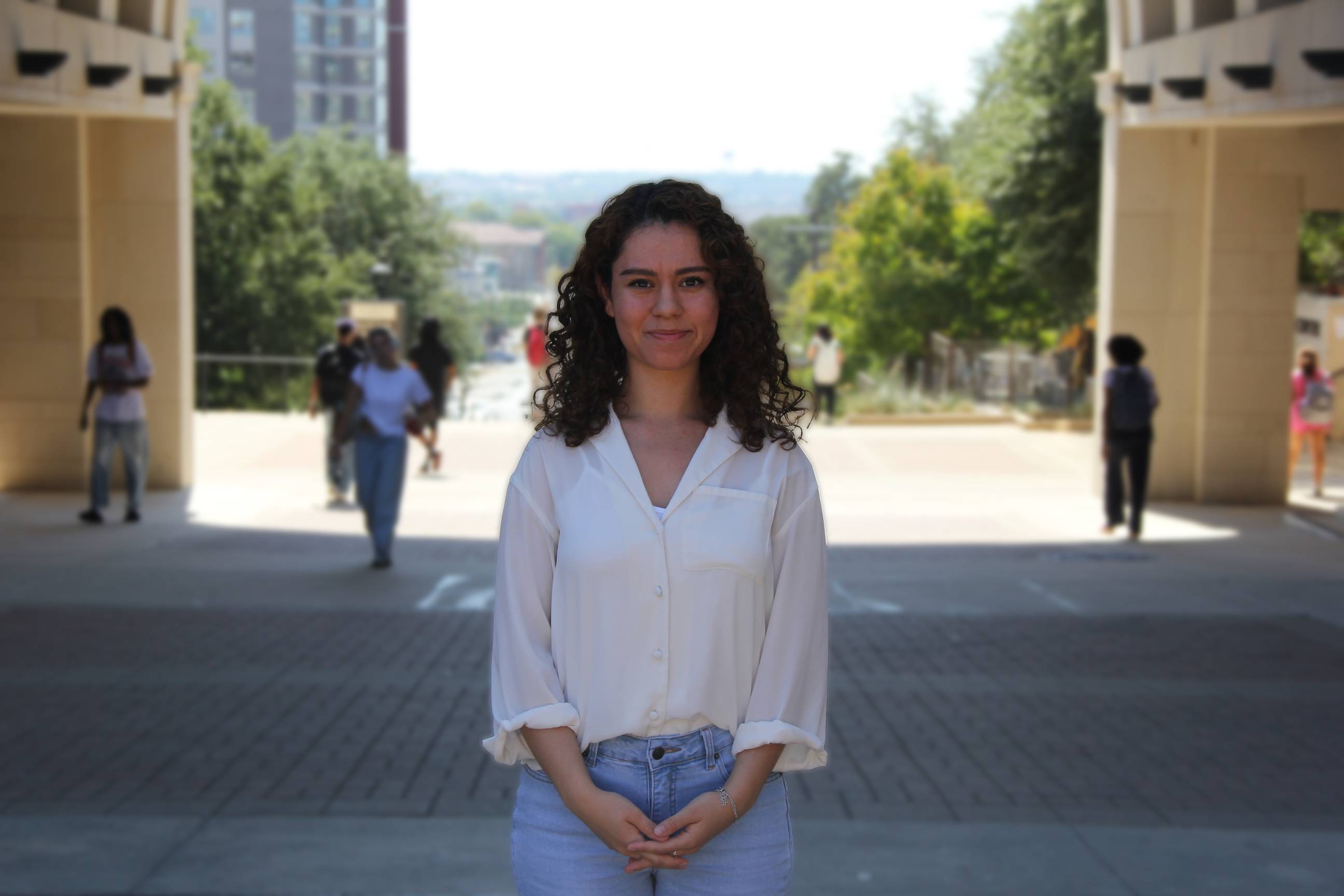
My research interests are in cognitive neuroscience and cognitive psychology. I am specifically interested in memory and learning about factors that affect memory such as sleep, emotion, and language, specifically bilingualism. I am especially interested in researching sleep disorders and their effects on memory of older adults. As someone with family members with both sleep disorders and memory impairments, I have seen their impact first-hand and want to contribute to the literature and understanding of sleep disorders and memory in order to bring forth solutions. Furthermore, I would love to investigate false memories and their relationship with sleep consolidation to build off previous research experience with false memories and eyewitness testimony, further contributing to this area of memory research. I have also become fascinated by working with EEG research and am excited to continue gaining experience and skills with this method of data collection and analysis during my time in the Cognitive Neuroscience Laboratory under the mentorship of Dr. Westerberg. My goal after completing the master’s program in Psychological Research at Texas State University is to enter the workforce and work in industry research positions and continue to grow as a researcher. I am particularly interested in continuing to work with EEG and other neuroimaging technology. I also am interested in teaching experimental psychology.
Mentor: Dr. Carmen Westerberg
Grace Claycamp
Broadly, I am interested in family dynamics and their influence on adolescent maladaptive behaviors. My research will examine how aspects of the family environment, such as parental support of autonomy, sibling relationships, and religiosity, contribute to the initiation and maintenance of substance use among adolescents and college students. My long-term goal is to contribute to the knowledge base that informs evidence-based interventions and prevention strategies. I am currently conducting my research under the mentorship of Dr. Schepis, whose research focuses on substance use in young populations. Upon graduation, I plan to pursue a Ph.D. in Counseling or Clinical Psychology, where I hope to combine my research and clinical interests to support healthy family functioning.
Mentor: Dr. Ty Schepis
Chloe Downey
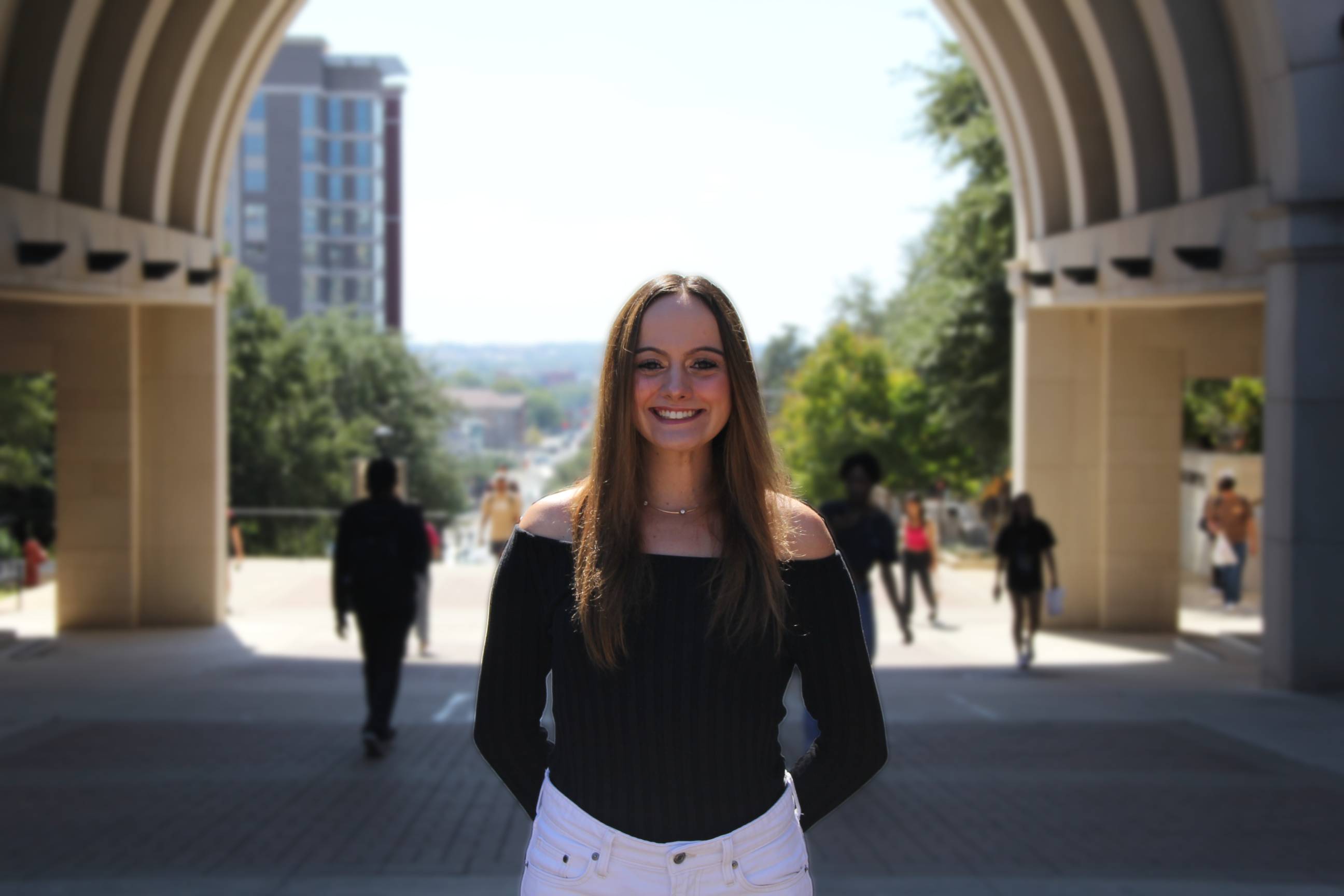
My research interests encompass social, cognitive, and developmental psychology, with a broad focus on how individuals form connections and develop the skills needed to navigate diverse social environments. I am particularly interested in understanding multiple dimensions of social cognition in autistic and non-autistic adolescents and adults, examining both typical and atypical developmental trajectories. My research interests extend into the exploration of other facets of children's social cognitive development, including intergroup dynamics, prosocial deception, and the influence of spoken language on social behavior in both monolingual and bilingual populations. Additionally, I aim to investigate how cultural contexts influence social cognitive development across diverse sociocultural settings. Through this work, I strive to contribute to a deeper understanding of the cognitive and social mechanisms that shape human interaction. Upon completing my Master of Arts in Psychological Research at Texas State University, I plan to pursue a PhD in Developmental Psychology.
Mentor: Dr. Katherine Warnell
Domynic Elder
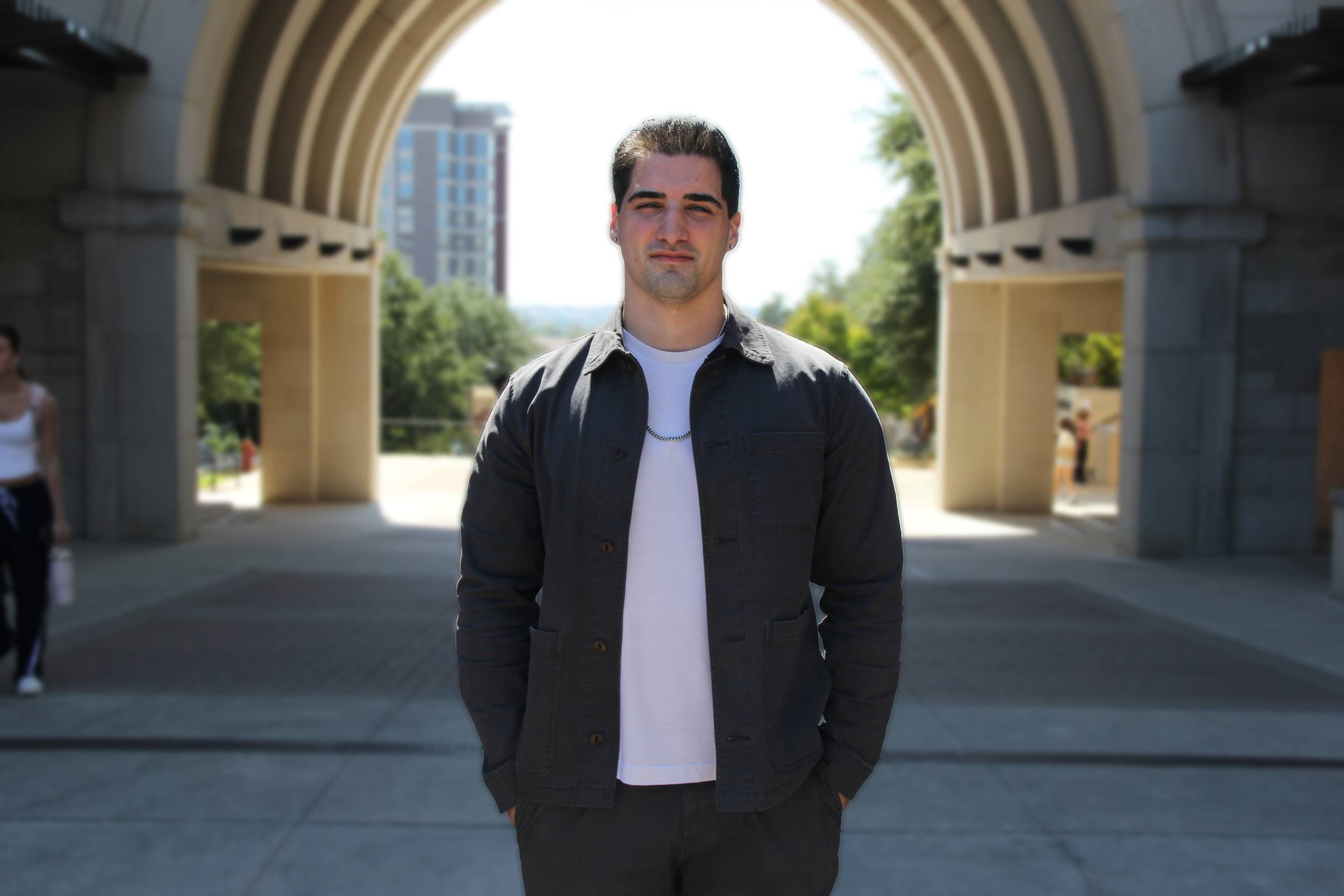
My research interests are in clinical, developmental, and cross-cultural child psychology. I am primarily interested in the mental health needs of infants and preschool-age children who have histories of being in NICUs and are at-risk for behavioral issues, as well as parenting practices in general. I spent the majority of my life in the South in both Louisiana and Mississippi, where I earned my BS in psychology at The University of Southern Mississippi before going on to work under SAMHSA-funded grants at The University of Mississippi Medical Center. Coming from a background of working in diverse populations, I have a special interest in assessing healthcare inequalities in marginalized and minority communities. Despite these being some of the most vulnerable populations for negative outcomes, they go largely underserved as they stand currently. Upon completing my master’s degree, I plan on obtaining a Ph.D. in clinical psychology so that I can continue advancing the research and clinical practices that support the well-being of children and families in these communities.
Mentor: Dr. Jennifer Clegg
Anahi Flores Ventura
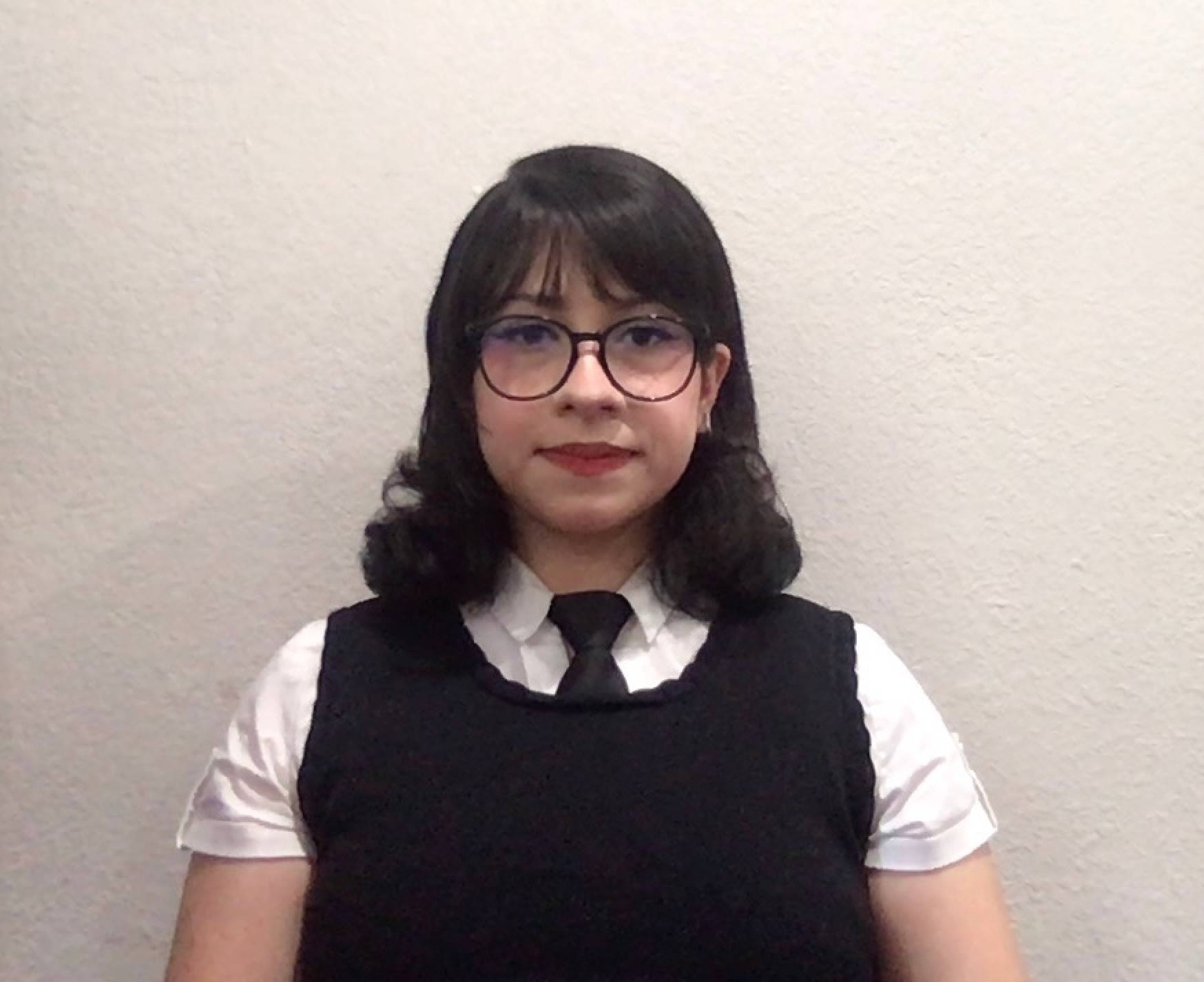
My research interests primarily lie within the fields of clinical, developmental, and cross-cultural psychology. Within these fields, I am interested in examining the impact of sociocultural context on children’s cognitive abilities and social development, in particular, emotional intelligence and prosocial behaviors. My aim is to expand on the understanding of child development observed through interpersonal interactions centered on bicultural children. Specifically, I am interested in how being bicultural affects children's interpersonal cognition and how it contributes to self-perception, emotional regulation, prosocial lying, and comprehension of social norms. Additionally, other research interests of mine include development of personality disorders, psychological distress, the impact of children living in mixed-status households, and adverse childhood experiences (ACEs). In the future, I plan to pursue a PhD in Clinical Psychology or Developmental Psychology. This is where I will continue engaging in research focusing on the complexities of cultural duality and its role in shaping children’s cognitive development and social interactions. I aim to make meaningful contributions and serve marginalized communities, whether that be through practice or academia.
Mentor: Dr. Jennifer Clegg
Flora Fosu
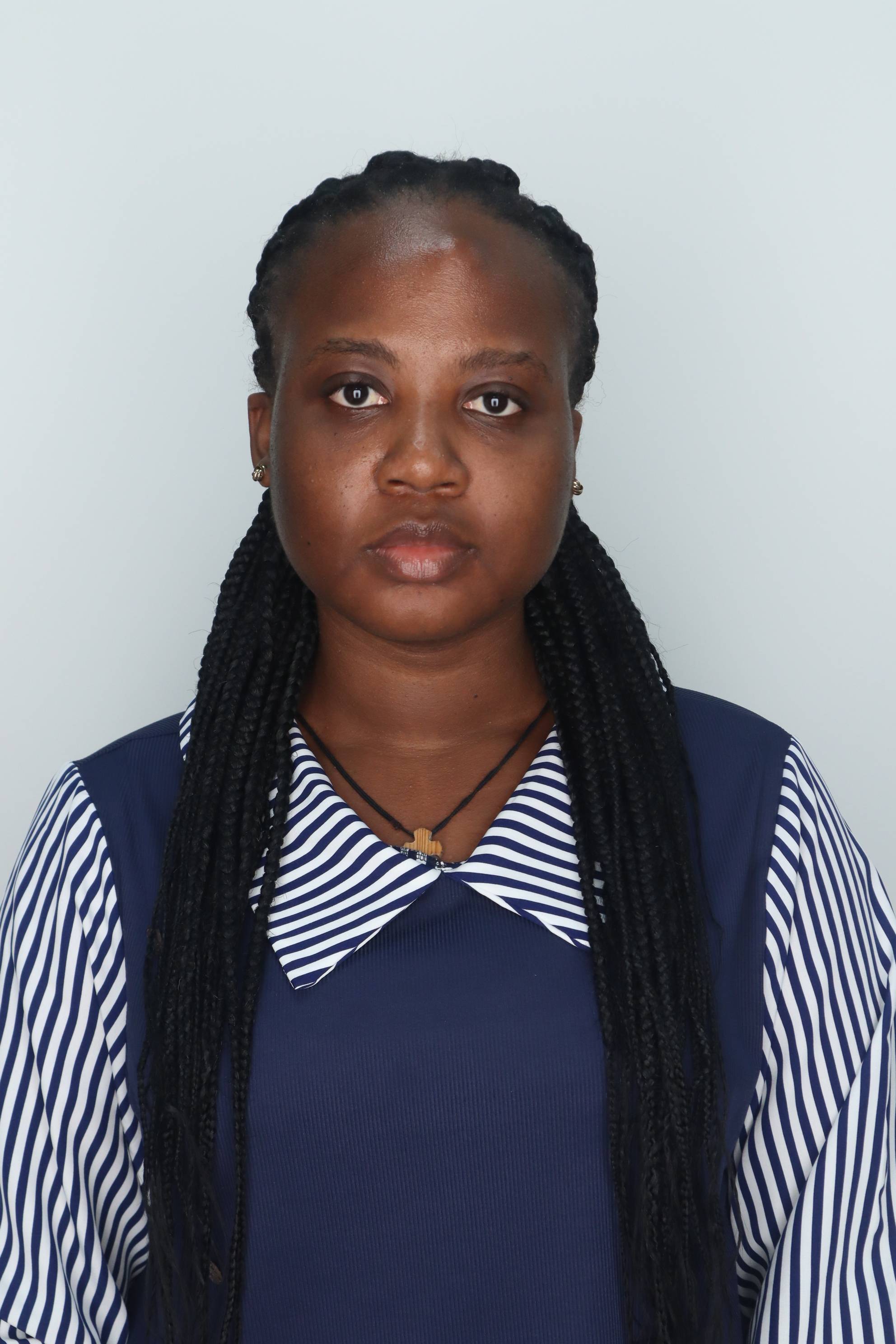
My research interests focus on cognitive psychology, particularly metacognition, memory, learning, and how emotional factors influence the way people evaluate their own performance. My current research focuses on judgment of learning (JOL), memory accuracy, and calibration in relation to mood. I am especially interested in understanding how mood may influence confidence in one’s cognitive abilities. Growing up in Ghana, I noticed how differences in culture, resources and access to mental health support shaped the way people approached learning and evaluated their own abilities, and this experience has motivated me to explore how memory and confidence interact for different people and in different context. In the long term, I am open to research opportunities and plan to pursue a PhD in cognitive neuroscience or developmental psychology particularly neurodevelopmental disorders. My goal is to contribute to research that can improve support for individuals and help people better understand and make decisions about their thinking, learning and development.
Mentor: Dr. William Kelemen.
Ashlynn Friudenberg
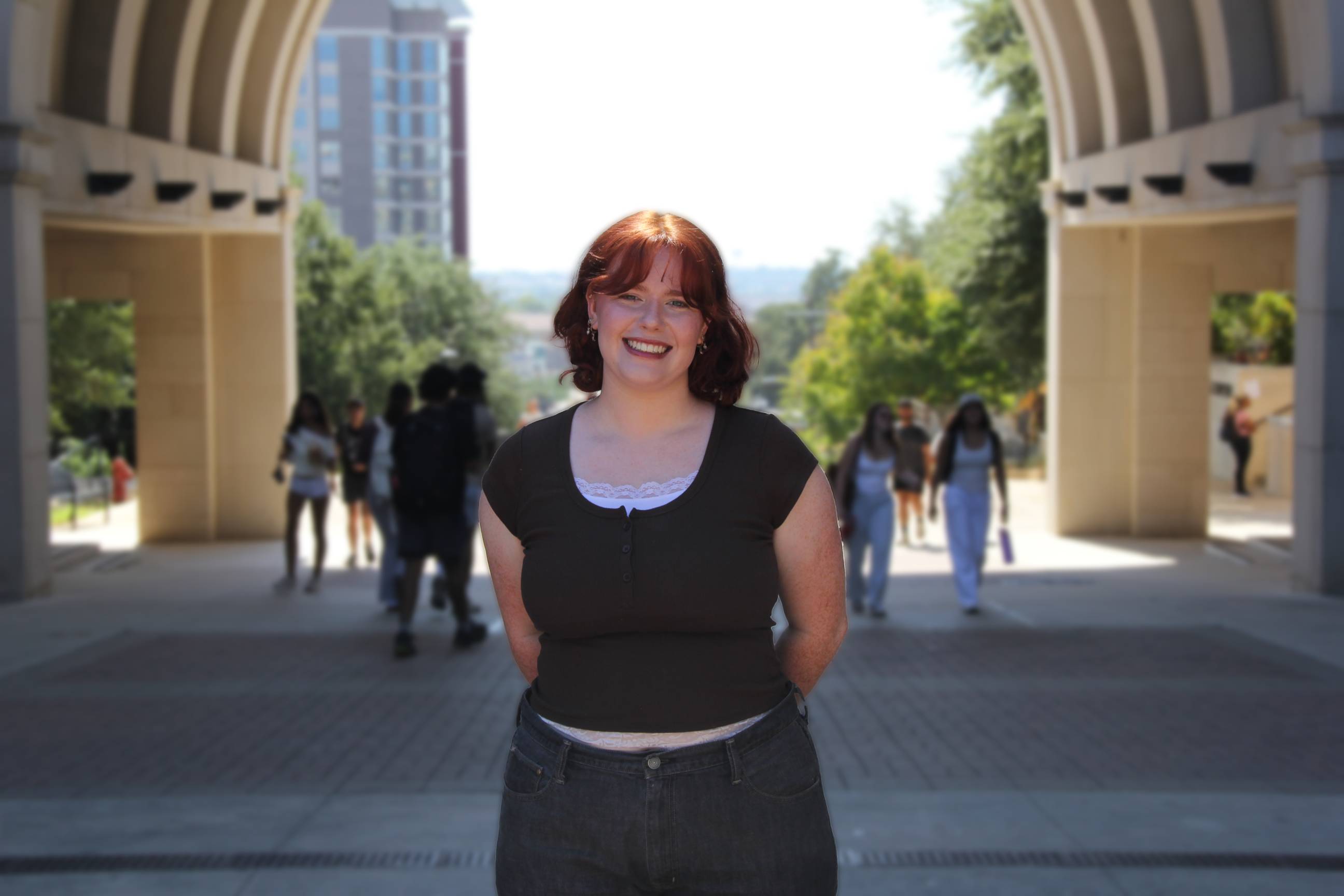
My research interests are psychopharmacology and cognitive neuroscience, specifically the processes of memory, and how the two may overlap. Within the field of memory, I am interested in understanding how emotions, such as depression, play a role in memory consolidation. Specifically, how sleep-dependent memory consolidation plays a role in negative-memory bias in individuals with depression. Other interests of mine would be to examine how psychopharmacology could play a role in topics like this. Specifically, the relationship between negative-memory bias and the use of medications like SSRIs. After completing Texas State University's Psychological Research program, I am planning to move onto my career. I hope to work in a psychological research lab either learning about psychopharmacology or memory. I want to look into the different factors that influence substance abuse and its consequences. This would allow me to learn more about my desired fields while gaining real-world experience.
Mentor: Dr. Carmen Westerberg
Gabrielle Renee Gaubert
My research interests primarily relate to the intersection between psychopathology and neuropsychology, especially in clinical, forensic, and adolescent populations. I feel like so much is still unknown about different mental disorders, especially personality and psychotic disorders--and I feel like focusing on vulnerable populations parallels my want to help others with the research I do. In addition to psychopathology, I'm also interested in topics such as suicide, substance use, developmental psychology, domestic violence, trauma, and memory. I'll have the pleasure of completing my graduate studies under Dr. Reiko Graham, where I plan to focus my efforts on understanding EEG and ERP technology--as well as their relation to varying dark triad traits, such as Machiavellianism and psychopathy. Once I graduate with my master's, I hope to take all the knowledge I've gained to continue higher education--hoping to pursue a PhD in clinical psychology, with a specific emphasis on neuropsychology and fMRI technology.
Mentor: Dr. Reiko Graham
Taylor Hamilton
My primary research interests lie at the intersection of deep learning and the study of neural correlates of consciousness and states of mind, complemented by an interest in Psychopharmacology. I am particularly captivated by the technological advancements in neuroengineering and neurochemistry, specifically their application in deciphering brain activity (e.g., EEG, fMRI, BCI) and the neurochemical bases of human cognition. My overarching goal is to leverage advanced deep learning techniques and computational neuroscience to accelerate brain research. I aim to explore novel, potentially groundbreaking avenues for understanding and addressing complex mental health disorders. The ultimate motivation for this research is to contribute to tangible scientific breakthroughs that enhance the quality of life for individuals globally. Following the completion of my master's degree, I intend to pursue a Ph.D. in a highly computational discipline, such as Computational Neuroscience or Computational Psychiatry. Beyond my doctoral studies, I aspire to a career as a research-active professor, where I can continue to lead and contribute to innovative research while mentoring the next generation of scientists.
Mentor: Dr. Reiko Graham
Landry Suzanne Hanson
My principal research interests lie within memory and cognition, specifically, the effects of movement and exercise on memory performance. My interest in cognitive psychology has been motivated by my hands-on work experience with individuals living with cognitive disabilities, as well as my undergraduate background in biology. Through researching memory, I aim to provide a meaningful contribution to the understanding and development of support techniques for people with memory disabilities. While completing my master’s degree in Psychological Research, I will be working with Dr. Kelemen to explore the effect that walking backwards may have on memory recall. I will also include a meta-cognition component, which is in line with Dr. Kelemen’s specific research interests. Expanding the understanding of physiological influences on memory performance is beneficial not only for cognitive sciences but could also provide valuable insight for future therapeutic and clinical strategies. Following the program, I would like to spend time getting experience in the cognitive research field. I see myself attending a doctoral program in the future, but I would enjoy familiarizing myself with current work before taking this step. In this time, I plan to pursue an academic career in psychology and contribute to research that extends the knowledge of memory in a way that is impactful to others.
Mentor: Dr. William Kelemen
Joshua Henderson
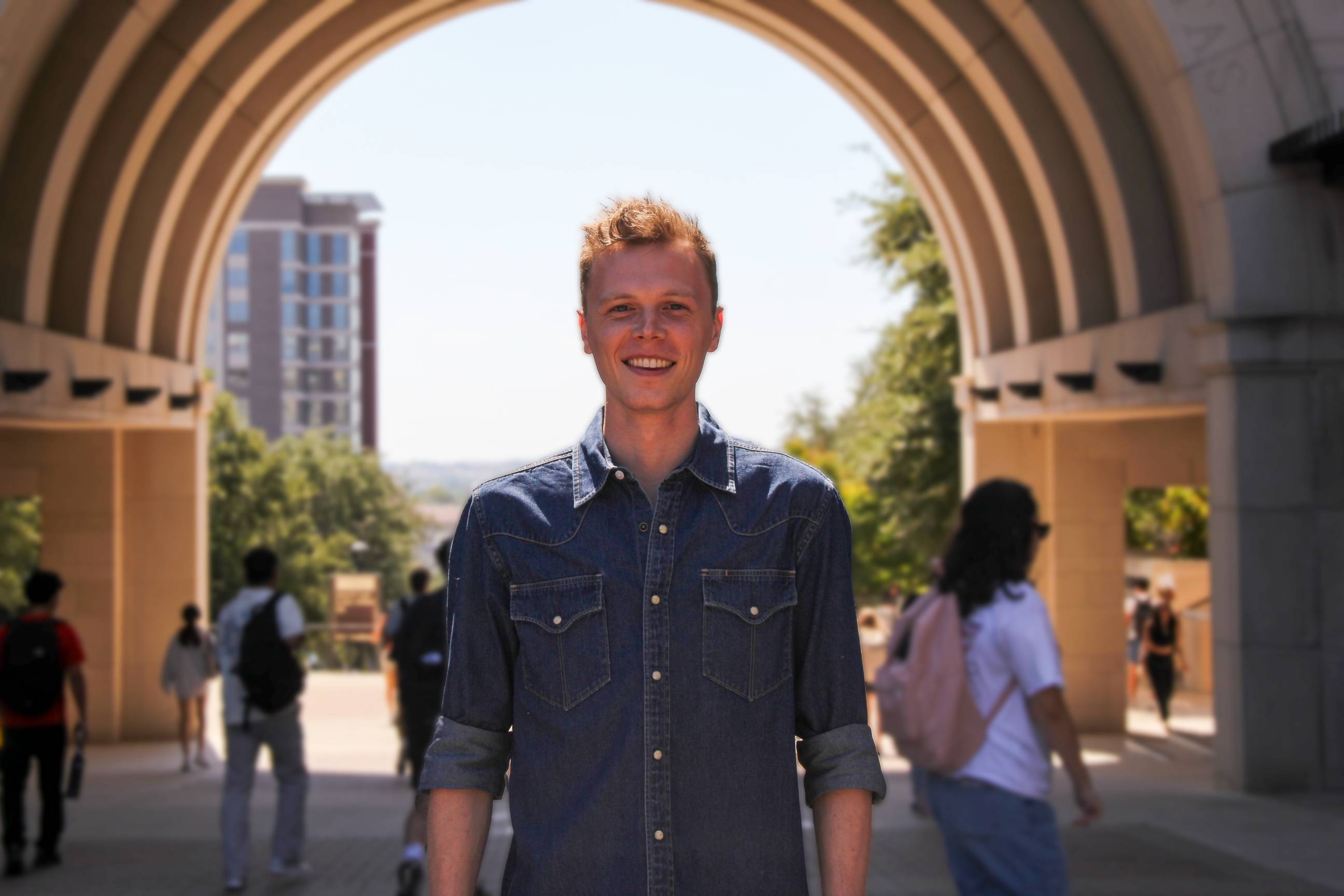
While I am currently working with Dr. Osborne on the development of a novel psychological phenomenon concerning compulsive buying and hoarding behaviors, my main research interests consist of the intersection between mental illness and substance abuse. I find that the modern mental health landscape is presented with many complications due to the accessibility and public perception of recreational drug use. My interests also include the stigmas surrounding these topics, and how those stigmas could contribute to the perpetuation of negative mental health outcomes. On top of this, I am also interested in the psychology of romantic relationships and the psychological effects of the denial of these needs. There have been many communities formed in male-centered spaces such as incels, MGTOWs, etc. as what I would consider a direct response to this, and I find that understanding the factors influencing the creation and perpetuation of these communities could lead to positive relational outcomes as well as the improved self-concept of members within these communities.
Mentor: Randall Osborne
Tonya Hill
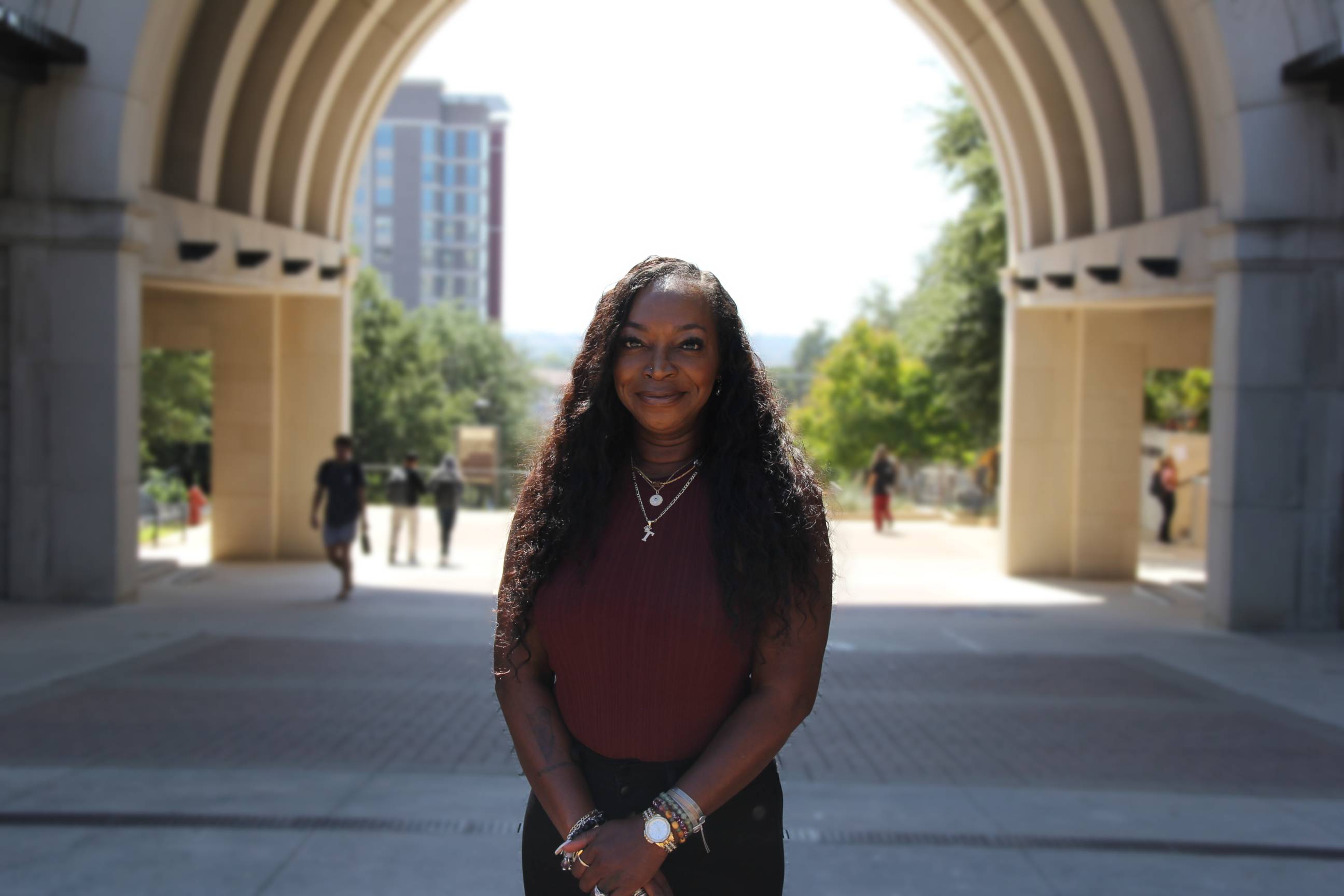
My research interests are in the realms of social psychology and developmental psychology. Most notably, I enjoy exploring the constructs of adultification (i.e., children being treated as older and more mature than what is typically expected for their age) and parentification (i.e., children being expected to take on adult roles that include caregiving). Disproportionally affecting Black children and adolescents, both adultification and parentification may lead to a stolen childhood, a loss of protection, greater culpability being placed on them, higher emotional burdens, social isolation, and a myriad of mental health issues. Although adultification and parentification have become normalized in certain communities, they may be considered a type of abuse that is detrimental to the growth and development of a child. I hope to investigate their effects from childhood to adulthood and to spread more awareness of their detrimental impact. Upon completing the Master of Arts in Psychological Research (MAPR) program under the mentorship of Dr. Crystal Oberle, I plan to pursue a PhD in Social Psychology, eventually opening a center locally for minorities to receive assistance and tools to help break these types of generational cycles.
Mentor: Dr. Crystal Oberle
Ariel Ozioma Celia Ibuaka
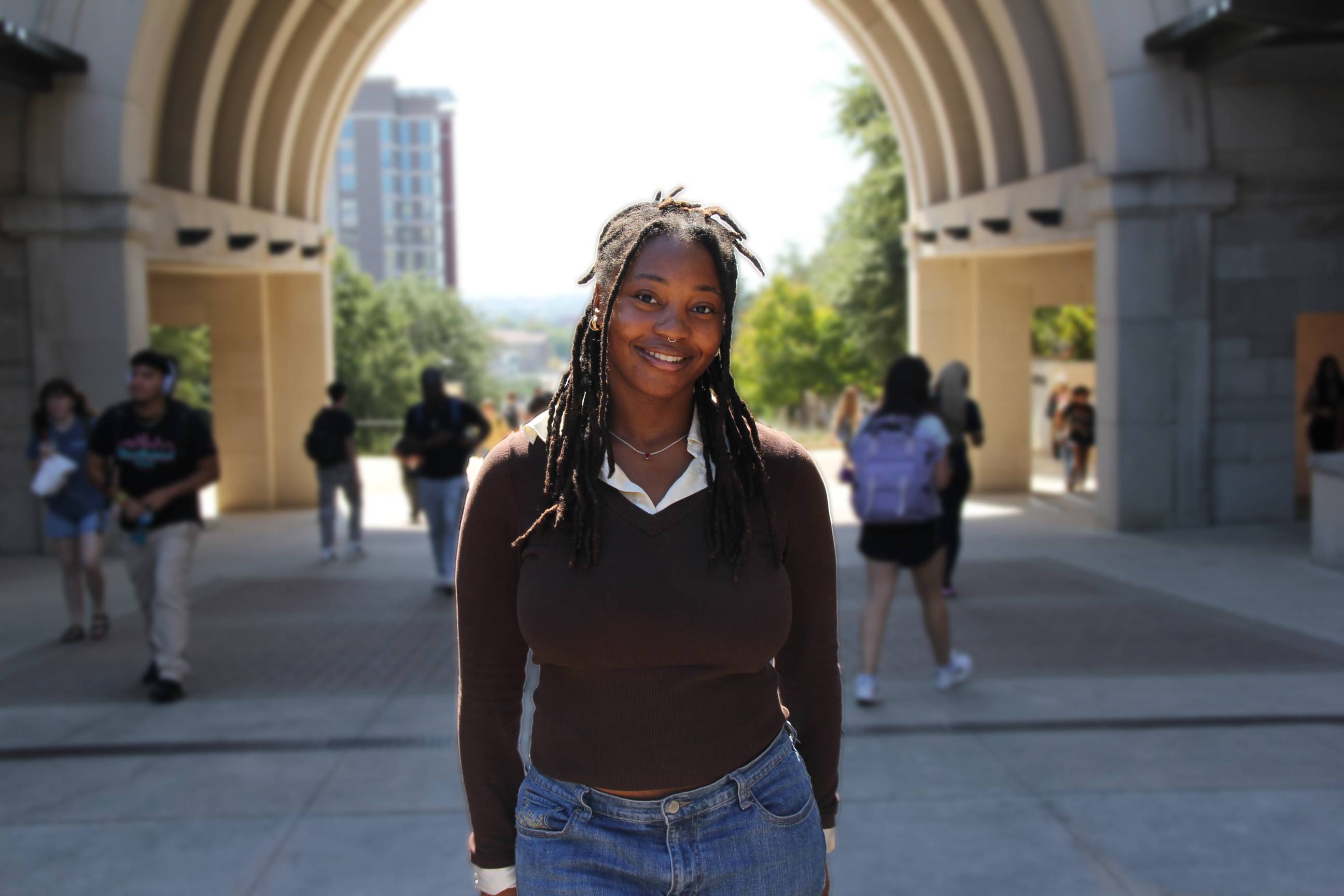
My research interests include mental health stigmas and disparities in mental healthcare as experienced by black immigrant communities. I am passionate about destigmatizing mental health and providing access to mental health resources for black immigrants who typically regard mental health issues as taboo. More specifically, I am interested in how mental health stigma forms in these communities, how it affects help-seeking behaviors, and how stigma can be reduced. In addition, I am interested in researching the psychopathology of mental health disorders such as obsessive-compulsive disorder and schizophrenia. I want to know how these disorders manifest in members of black immigrant populations who stigmatize mental health.
Mentor: Dr. Ariel McField
MD Shafiqul Islam
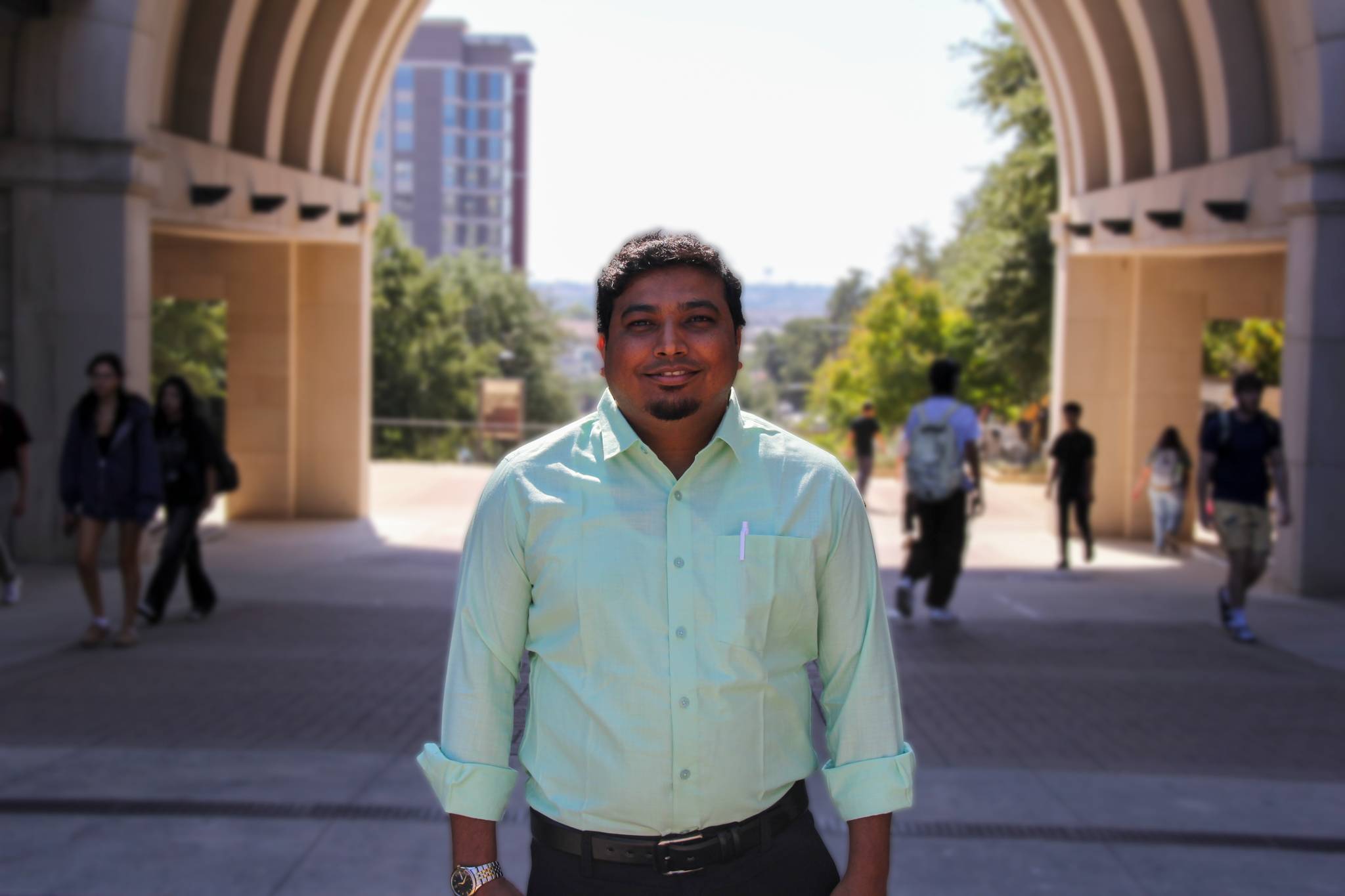
As a dedicated member of the MARP program, my research focuses on leadership in charity organizations, comparing practices in the USA and Bangladesh. The purpose of this study is to investigate the impact of various leadership styles on employee motivation, organizational behavior, and job satisfaction in nonprofit settings. Leadership plays a key role in shaping how employees connect with organizational missions, especially in resource-constrained or culturally diverse environments. In the USA, leadership in nonprofits often maintains innovation, empowerment, and strategic direction, while in Bangladesh, leadership might be more hierarchical and community-centered. This contrast lays down a unique opportunity to make sense of how cultural and socioeconomic factors influence leadership effectiveness and organizational outcomes. The research will also examine how leadership affects motivation—both intrinsic and extrinsic—and how this, in turn, impacts job satisfaction and retention. By identifying strengths and challenges in both contexts, the study hopes to offer insights into improving leadership practices in global nonprofit work, enhancing employee engagement, and maximizing social impact.
Mentor: Dr. Jérémy Wilson-Lemoine
Adelina Jaramillo
My research interests focus on gender roles, risky drinking, and recovery within young adult Latinx communities. I am particularly interested in how cultural and social factors, such as family expectations, traditions, and community norms, influence patterns of drinking and resilience within these populations. I want to explore how these influences impact both the strengths and challenges that Latinx young adults experience in relation to risky drinking and recovery. I hope that through this work I am able to highlight the voices and experiences of communities that are often underrepresented in research and to develop interventions that support these communities. After completing my master’s degree, I plan to pursue a Ph.D. and continue this line of research to draw more attention to the Latinx population and contribute to prevention and recovery approaches that are more culturally grounded and supported.
Mentor: Dr. Jessica Perrotte
Irene Jordan
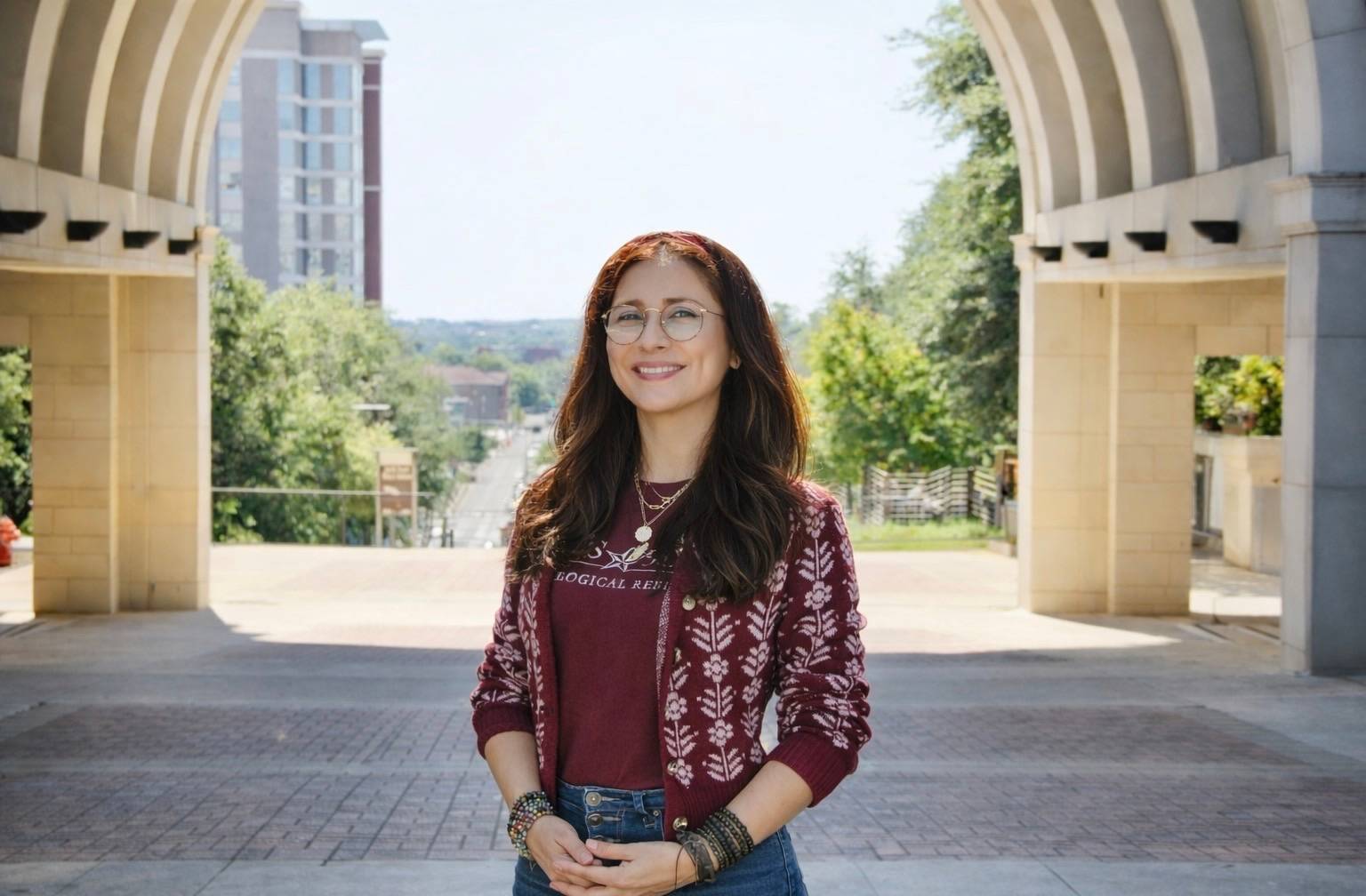
I’m interested in how children learn about the world through everyday interactions, especially those shared with their caregivers. My research focuses on the early social and cognitive processes that help children interpret others’ thoughts, emotions, and actions. I’m particularly curious about how caregiver–child communication, play, and micro-moments of shared attention shape children’s understanding of people, events, and social rules. I currently work in Dr. Katherine Warnell’s Social Cognition Across Development Lab (SCAD), studying prosocial lying, specifically how college students communicate feedback differently in written versus face-to-face settings. I also collaborate with Dr. Jennifer Clegg in the LiNC Lab, exploring how prosocial lying develops as children learn social rules about honesty and politeness. Through this work, I aim to understand how children learn through observation, communication, social interaction, and imagination to make sense of others and their environment. My long-term goal is to pursue a Ph.D. in developmental psychology to continue researching children's social-cognitive development.
Mentor: Dr. Katherine Warnell
Whitley Keller
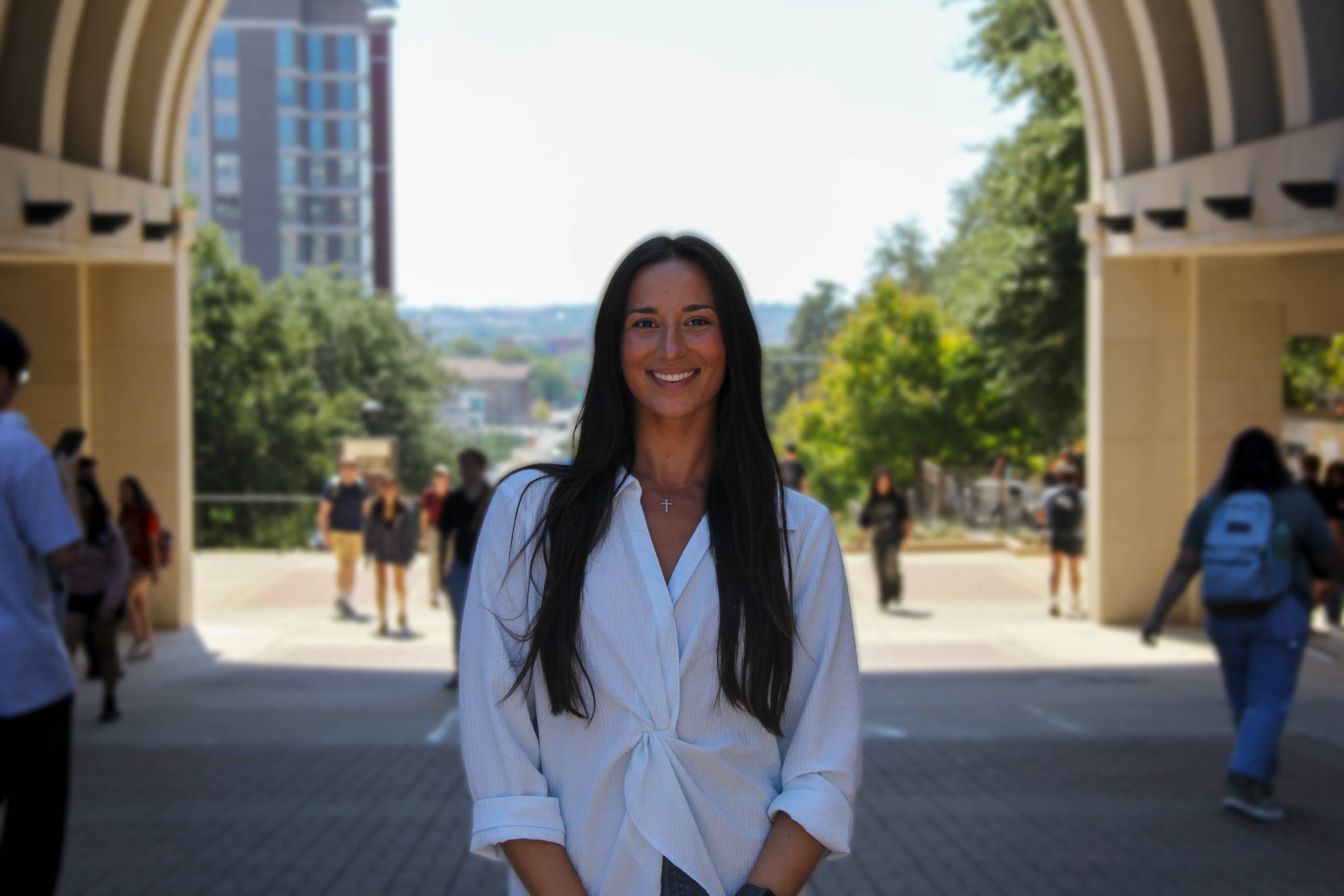
My research interests are in combating the increasing risk of suicidality in college athletes. I am specifically interested in expanding current literature to include racial and ethnic minorities and the effects of socio-economic factors in this realm. Mental health has been a hot topic in sports only recently and is still such an under-researched area that I am excited to be part of. I would like to get my PhD in Clinical Psychology with a concentration in Sports Psychology. I hope to help sports be more aware of the importance of athlete mental health for their performance, but also overall life satisfaction. I am currently working with Dr. McField on developing measures to accurately study suicidality in racial minorities and feel very honored to contribute to her work and this field.
Mentor: Dr. Ariel McField
Isabella Claire Lammie
My research interests lie within the space of clinical child psychology. I am drawn to studying how different factors, such as parenting styles, socioeconomic status, and personality, can affect and shape children and young adults. I am also interested in how elements of resilience and risk affect development and further shape adaptive and maladaptive outcomes. More specifically, I am interested in how different disorders develop and shift over time. My primary goal while in this program is to gain a deeper understanding of developmental psychology. Once I obtain my M.A. in Psychological Research here at Texas State, my goal is to pursue a Ph.D. in Clinical Psychology. My overall career goal is to acquire a strong methodological and clinical background, allowing me to work as a clinical child psychologist in the future.
Mentor: Dr. Jennifer Clegg
Kassidy Martinez
My research interests consist of developmental and clinical psychology, with a focus on the long-term effects that childhood experiences can have in adulthood. In developmental psychology, I am specifically interested in how different forms of exposure to nature such as recreational activities, art activities, and unstructured play can shape children’s feelings and attitudes toward the environment. I also want to examine whether these experiences can encourage conservation and appreciation of nature in adulthood. From a clinical psychology perspective, I would like to explore how childhood experiences influence the development and progression of mental illness, and how these effects may be reflected in adulthood. Currently, I am working in a research lab examining theory of mind, prosocial lying, and children’s social cognition. After completing the MAPR program, I plan to pursue a PhD in clinical psychology with a primary focus on child development, as my overall goal is to become a clinical psychologist.
Mentor: Dr. Jennifer Clegg
Gabriela Milan Naime
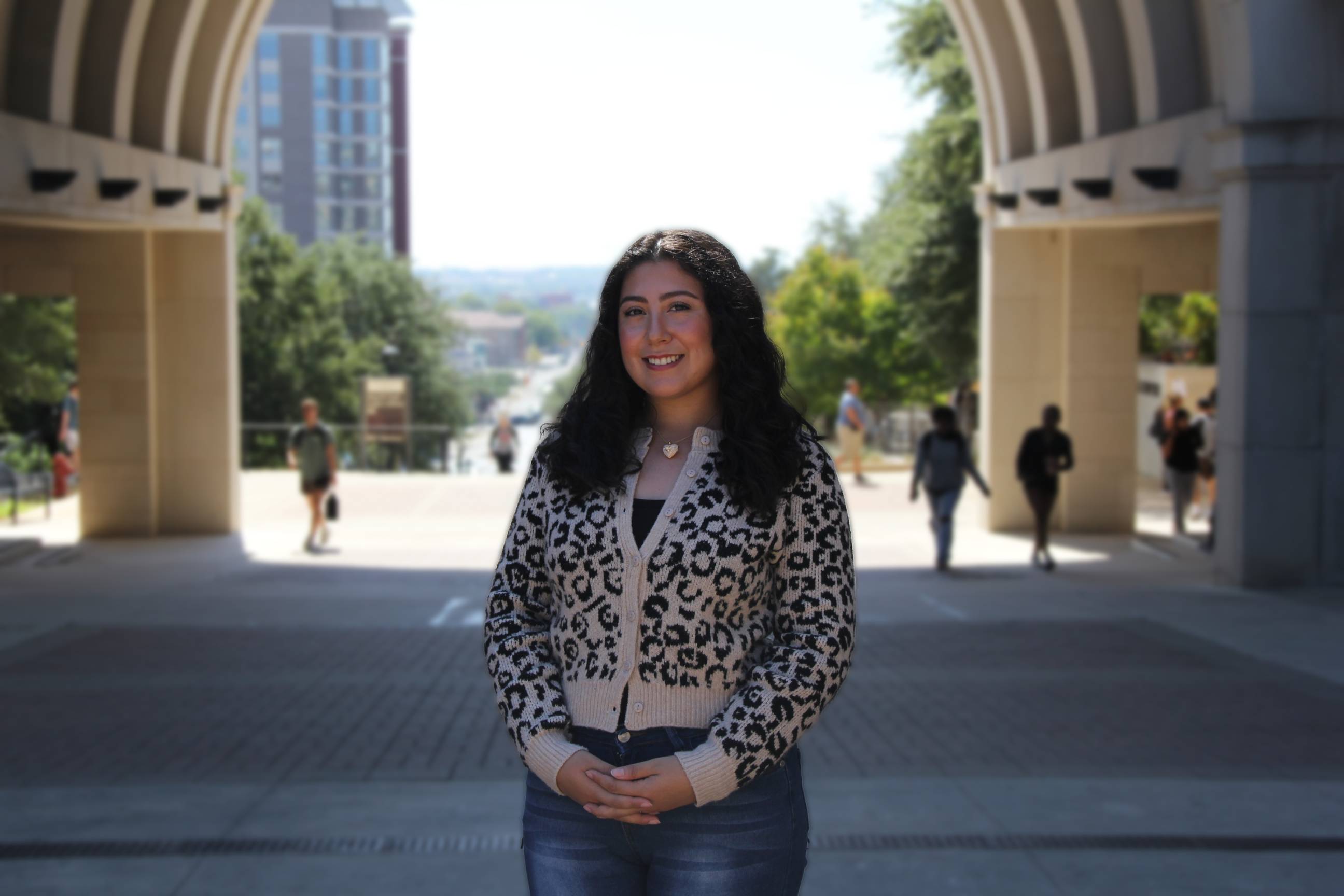
My primary research interests involve addiction recovery and improving intervention among under-resourced communities that are most impacted by substance use disorders. Some of my research background involves neuropharmacology, assessing opioid sensitivity in rodent models, and sociocultural studies that focus on unique experience and stress outcomes in early childhood educators that identify as Latina. I've also contributed to research assessing language development in bilingual children and influences of parent-child interactions, as well as assisted in brain computation studies identifying decision-making processes as it relates to mental health conditions. In the MAPR program, I hope to continue my work with the Latinx community under the guidance of Dr. Jessica Perrotte to examine the social and cultural implications on risky behaviors associated with problematic alcohol use. I believe my work in Dr. Perrotte's lab will set the foundation to understanding the underlying motivations behind substance use disorders that I can contribute to future clinical research applications.
Mentor: Dr. Jessica Perrotte
Melina Y. Nañes
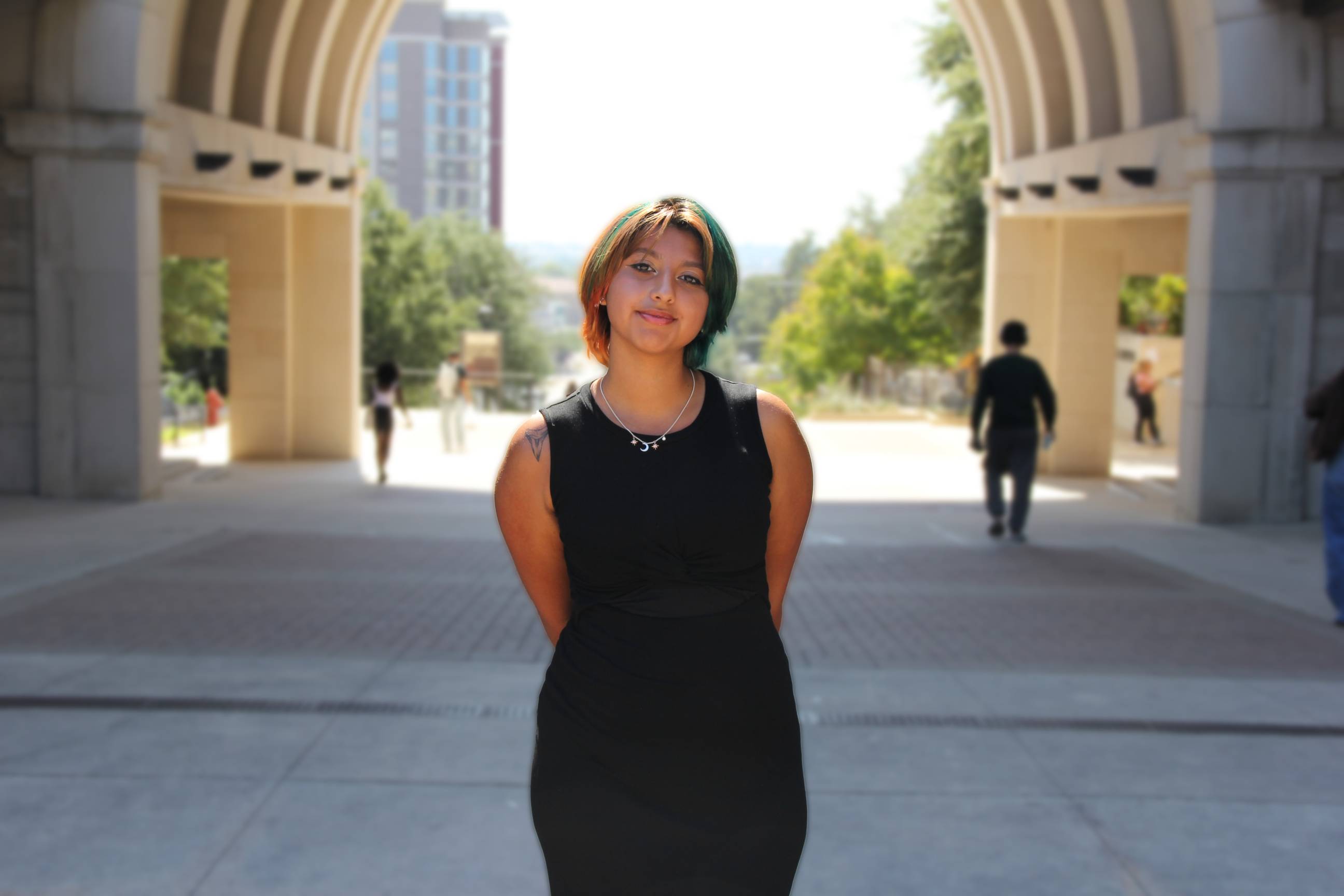
My research interests revolve around social psychology, clinical psychology, and forensic psychology. After I complete my master's degree, I am extremely interested in becoming a forensic psychologist, criminal profiler, or finishing a PHD. Regarding my thesis, I have chosen to study why LGBTQ+ and others have been more likely to identify with villainized/ anti-hero archetypes within the media in this current age. Since there is a surge of many people becoming captivated and identifying more and more with these characters; there is a high possibility people have become more willing to forgive or rationalize their actions. Since there is more sympathy for these characters, do we see more forgiveness for overall crimes? I intend to find the answers and hopefully aid the field in a meaningful way.
Mentor: Roque Mendez
Konstance Ann Neumann
My research interests are multidisciplinary, encompassing clinical, developmental, and health psychology. One of my specific interests is hazardous college drinking and how factors such as stress in young adulthood and ACEs influence alcohol use in this population. Additionally, I am interested in researching trauma surrounding sexual assault and sexual abuse in adolescents and young adults. Alongside understanding the impacts of trauma, I am interested in developing interventions, potentially through ecological momentary interventions (EMI). My master’s thesis with Dr. Natalie Ceballos uses ecological momentary assessment to detect events leading to a drinking binge and implements EMI to prevent or disrupt hazardous drinking episodes in real time. After completing my degree at Texas State, I plan on pursuing a PhD in clinical psychology and later go into clinical practice with a focus on personalized interventions to reduce hazardous drinking and reduce symptoms of PTSD from sexual trauma in emerging adults.
Dr. Natalie Ceballos
Kendall Faith Parkhurst
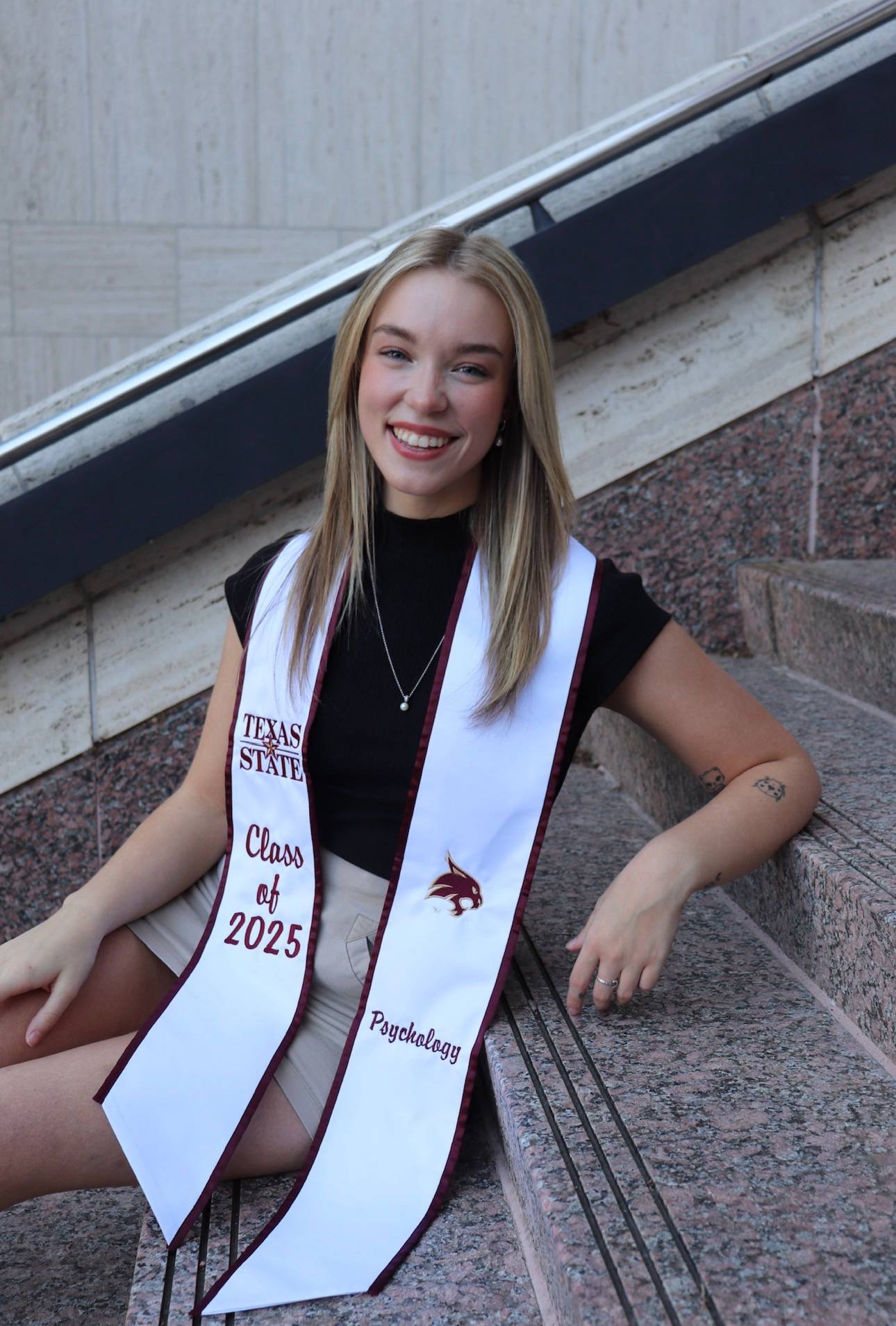
My research interests broadly center on suicide prevention, intervention, and psychopathology. I am particularly interested in suicide bereavement and the processes that facilitate posttraumatic growth. Specifically, I aim to deepen my understanding of suicide’s underlying mechanisms, meaning-making after suicide loss, and the complexities of grief, with a focus on promoting adaptive coping among those who have lost loved ones to suicide. I am also passionate about working to address gaps in the field by focusing on underrepresented populations, particularly single mothers – whose unique experiences with suicidality are often overlooked and understudied. Under the mentorship of Dr. Rogers, I am eager to continue contributing to this field and expanding my research skills as a graduate research assistant in the PRISM lab. Following graduation, I plan to pursue a PhD in clinical psychology, with the goal of working with individuals who have lived experience with suicidality and those bereaved by suicide.
Mentor: Dr. Megan Rogers
Grace Catherine Peeler
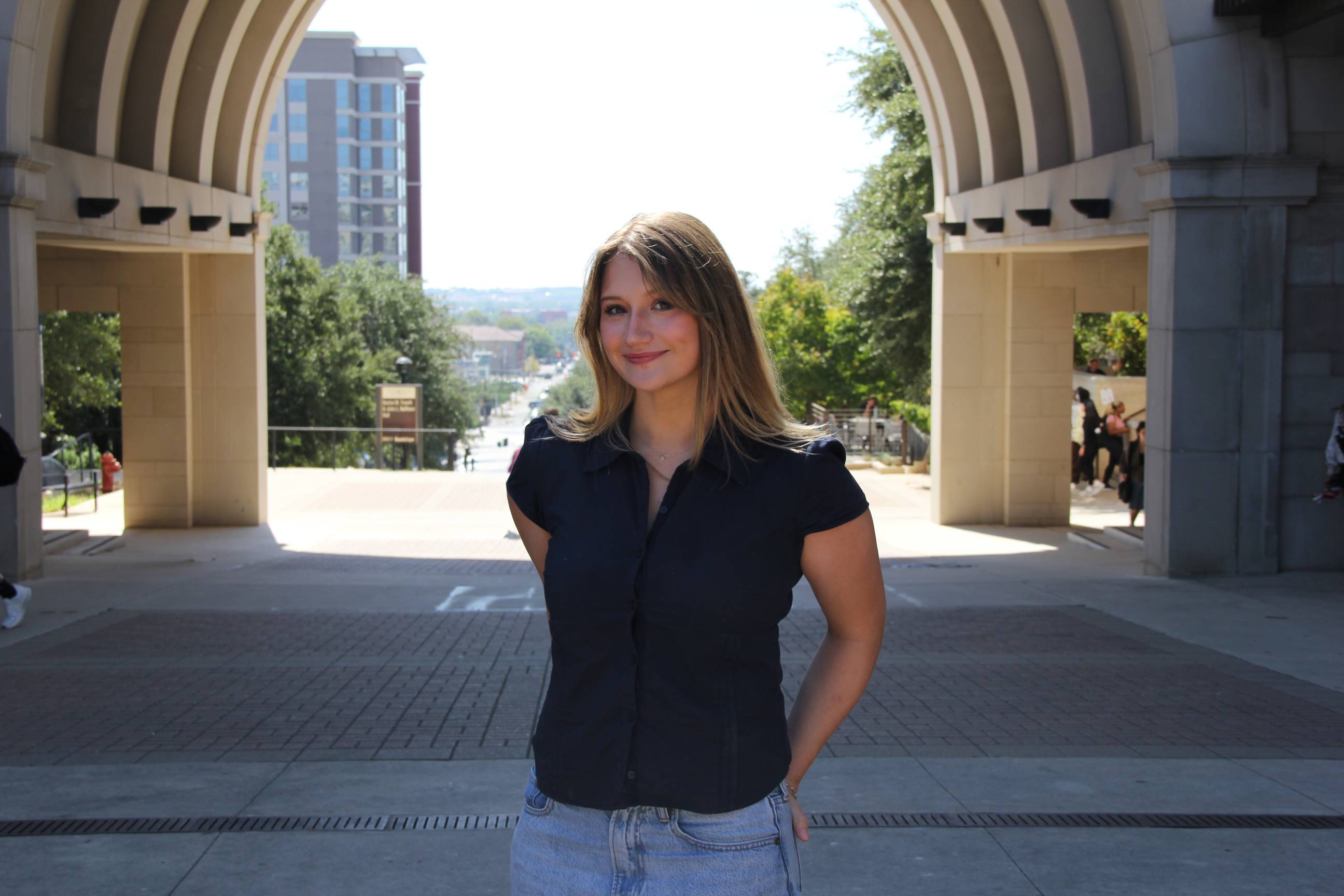
My broad research interests are within clinical and personality psychology, with a focus on behavioral addictions and the protective factors that may mitigate them. Currently, my capstone project examines compulsive buying behavior, hoarding, and “Dragon Syndrome,” the psychological experiences associated with viewing and valuing one’s collection of luxury items. I received my B.A. in Psychology and Criminology from Gonzaga University, where I researched how personality traits predict competitive versus cooperative behaviors in strategy-based games, as well as individual differences in control orientation and their relationship to dimensions of the HEXACO model, under Dr. Adam Stivers. Upon completing my Master of Arts in Psychological Research at Texas State University, I plan to pursue a Ph.D. in Clinical Psychology and eventually obtain forensic licensure. My career aspiration is to bridge clinical research and practice by investigating lesser-studied addictions and applying this knowledge within forensic contexts to support vulnerable populations.
Mentor: Dr. Randall Osborne
Selena Reese Piercy
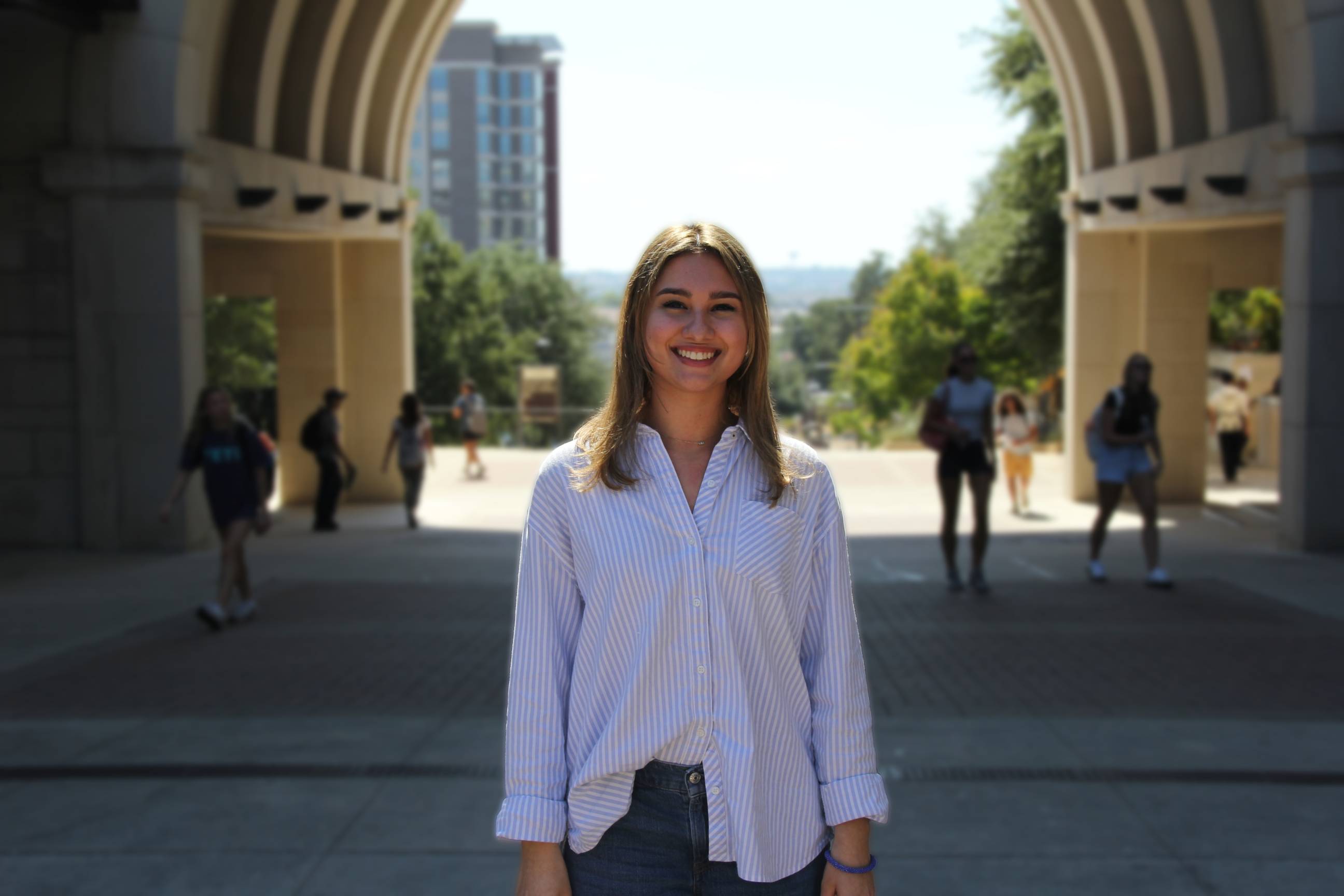
My primary research interests fall within clinical psychology and social psychology. Broadly, I am curious about romantic and sexual partnerships and loneliness. More specifically, I am interested in the rising popularity of AI romantic companions, why people may opt for AI partners instead of human relationships, and potential mental health outcomes associated with tech-mediated relationships. I would also like to explore the evolution of gender roles, feminism, and political beliefs among young adults in the United States. After completing the master’s program here at Texas State, I plan to pursue a PhD in Clinical Psychology to work with couples and continue a career in research.
Mentor: Dr. Rhonda Balzarini
Madison Rhyan Pittman
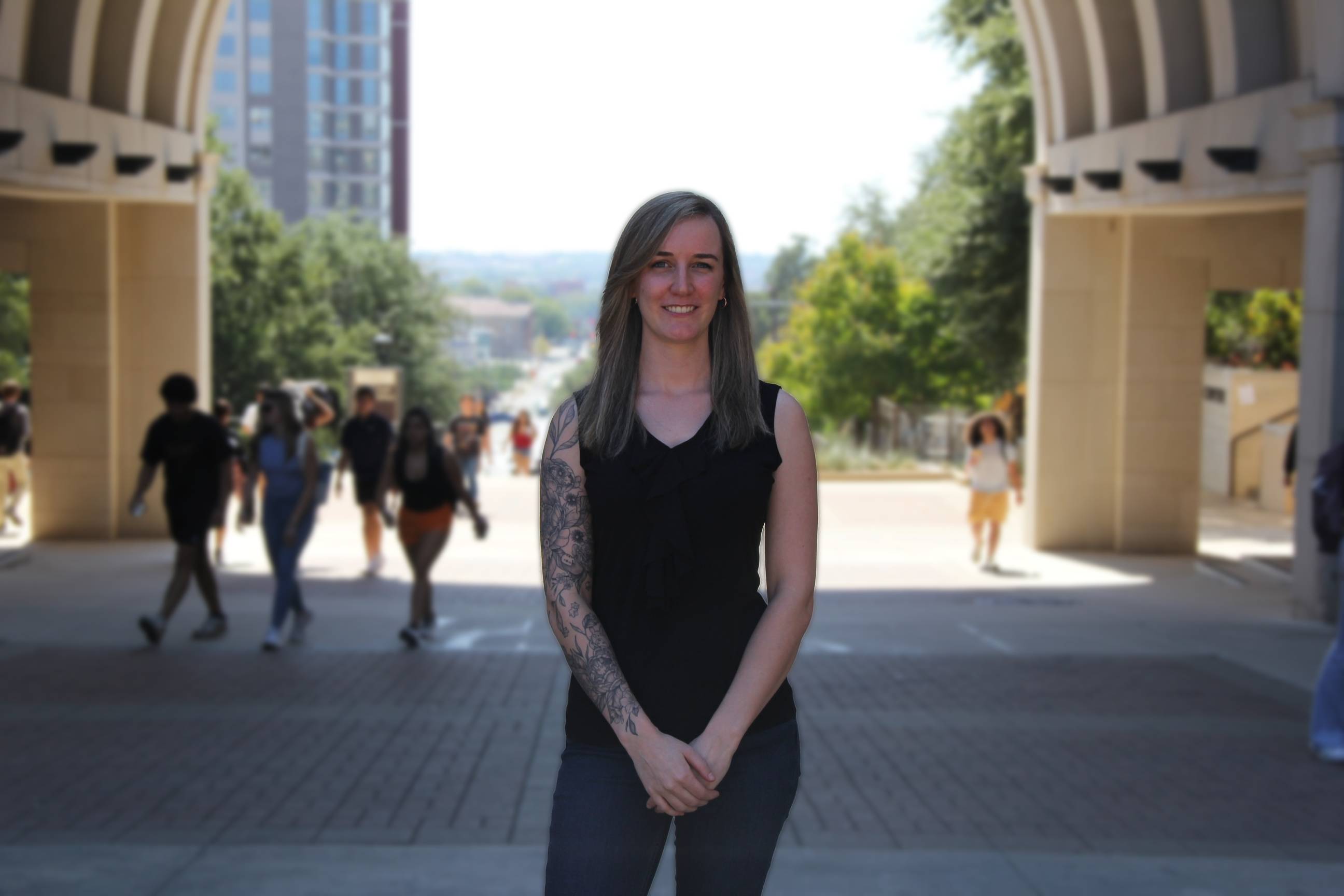
Adverse childhood experiences (ACEs), trauma, and EEG data collection are my research areas of interest. My thesis will investigate how ACEs and impulsive decision-making correlate and will incorporate EEG data while individuals participate in a risky decision-making task. I have six years’ experience working with vulnerable populations in foster care, which led my motivation to pursue research in ACEs and trauma. My goal in future research is bringing more awareness to the effects of ACEs on mental and physical health, especially in children and families who experience the foster care system. Once I complete my Master of Arts in Psychological Research, I plan to pursue a PhD in Clinical Psychology and then a career in clinical research to contribute to our understanding of trauma, adversity, and mental health.
Mentor: Dr. Reiko Graham
Mary Prochazka
My research interests broadly include trauma psychology and borderline personality disorder. More specifically, I am interested in how borderline personality disorder presents itself in and affects underrepresented populations. This interest mainly encompasses the different symptoms that sexual minorities with borderline personality disorder experience as a result of their trauma. As a member of Dr. Rogers’ lab, I am focusing on analyzing how suicide affects this population as compared to the majority group. My main goal is to be able to understand these BPD and suicide-related processes to assess how to achieve better treatment outcomes for this population and build resilience through doing so. Following graduation from Texas State, I aim to get my PhD in clinical psychology to further this research.
Mentor: Dr. Megan Rogers
Lyla Grace Keizer Ricks
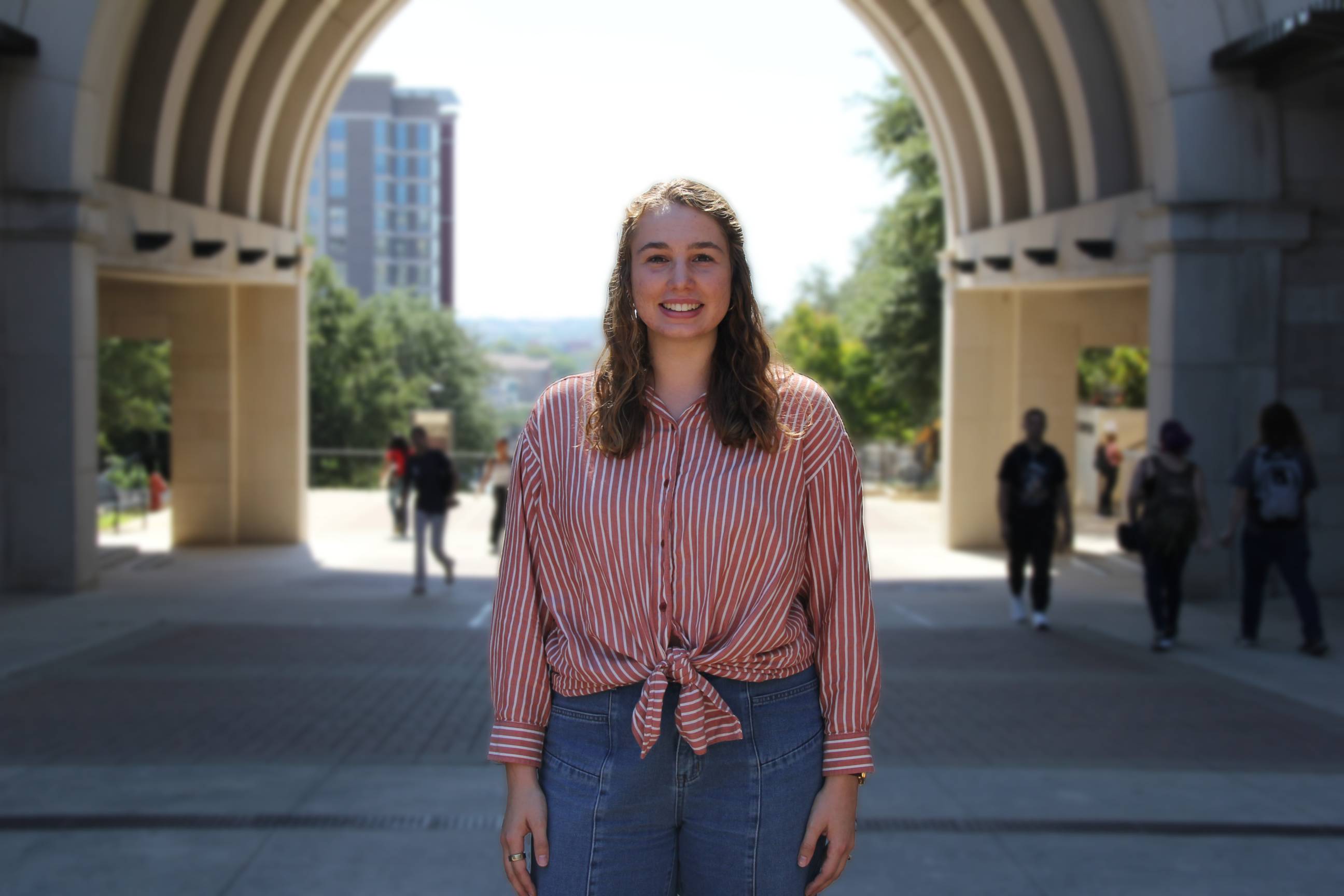
My primary research interests are rooted in health psychology, particularly in understanding how stress and health behaviors interact to influence well-being. I am especially interested in the relationship between eating behaviors and mental health. Under the mentorship of Dr. Krista Howard, I am conducting research in the areas of social media use, risk factors for maladaptive behaviors (such as adverse childhood experiences), practitioner-patient relationships, weight stigma, chronic pain, women’s health, and eating behaviors. My thesis will focus on the practitioner-patient relationship and how that communication may influence behavioral outcomes for women seeking weight loss. In the future, I hope to expand my research experience to explore the intersection between the gut microbiome and mental health. After completing the Master of Arts in Psychological Research program, I plan to pursue a Ph.D. in clinical or health psychology, with the goal of integrating research, clinical practice, and teaching to advance the field and promote holistic mental health care.
Mentor: Dr. Krista Howard
Hannah Natalie Roberts
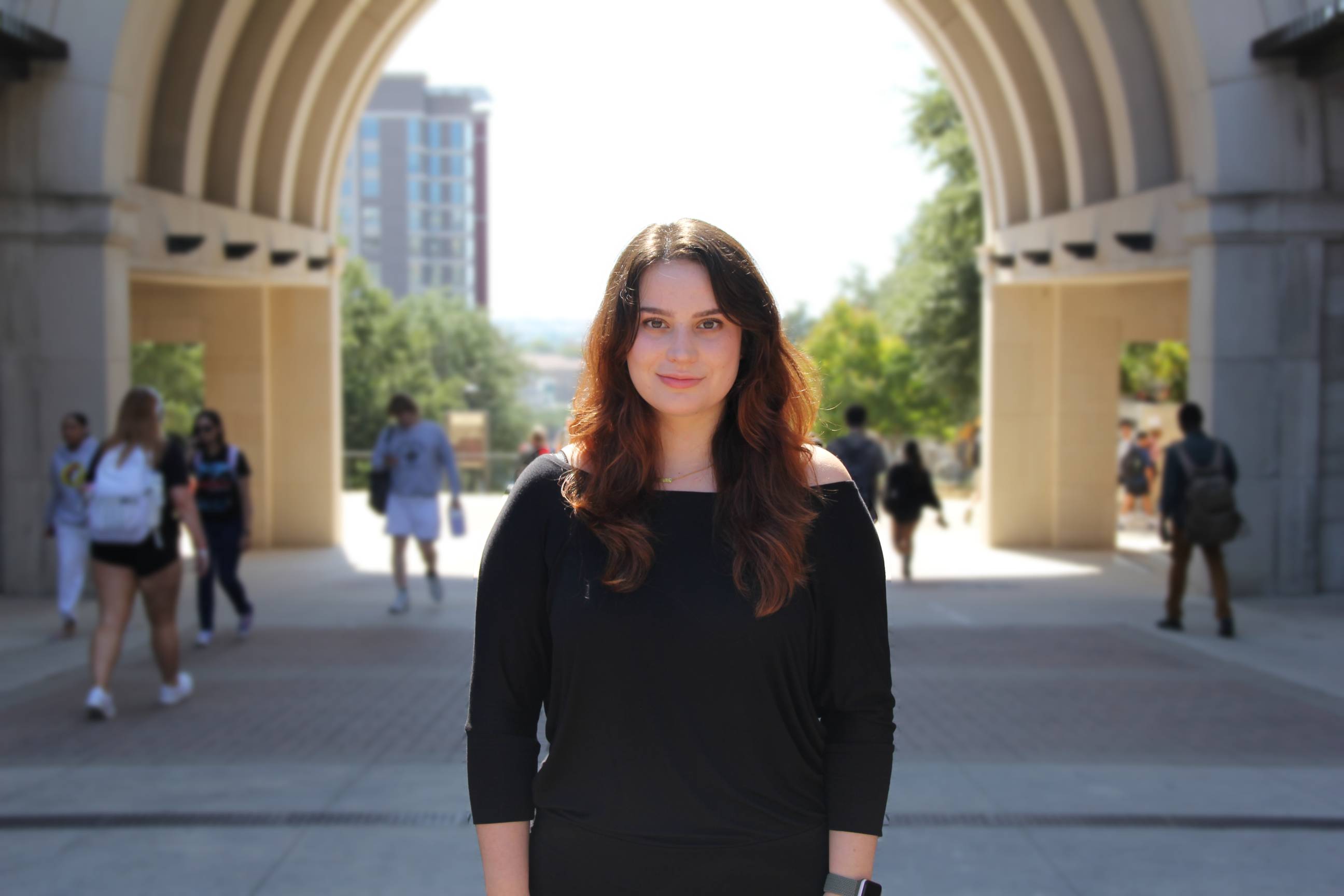
My key research interests fall within the scope of health psychology. I am interested in studying the relationship between mental and physical health. More specifically, I am interested in researching how mental health issues such as anxiety or depression affect diagnoses such as Crohn’s Disease, Ulcerative Colitis, and chronic pain disorders, as well as how these diagnoses affect mental health. I intend to study the “feedback loop” that mental health and physical health share to improve the quality of life of patients with chronic health issues, as well as increase efficacy of physician-directed treatment plans. I am also interested in studying prescription pain medication usage among people with chronic pain conditions and how this can affect long-term mental health and future health behaviors. After graduating from the MAPR program I aim to pursue a doctoral degree in psychology to further expand my knowledge on these issues, to gain hands-on experience and to sharpen my research skills. My goal ultimately is to work with GI and pain specialists by incorporating a psychological health aspect into the treatment plans of their patients.
Mentor: Dr. Krista Howard
Megan Elizabeth Singer
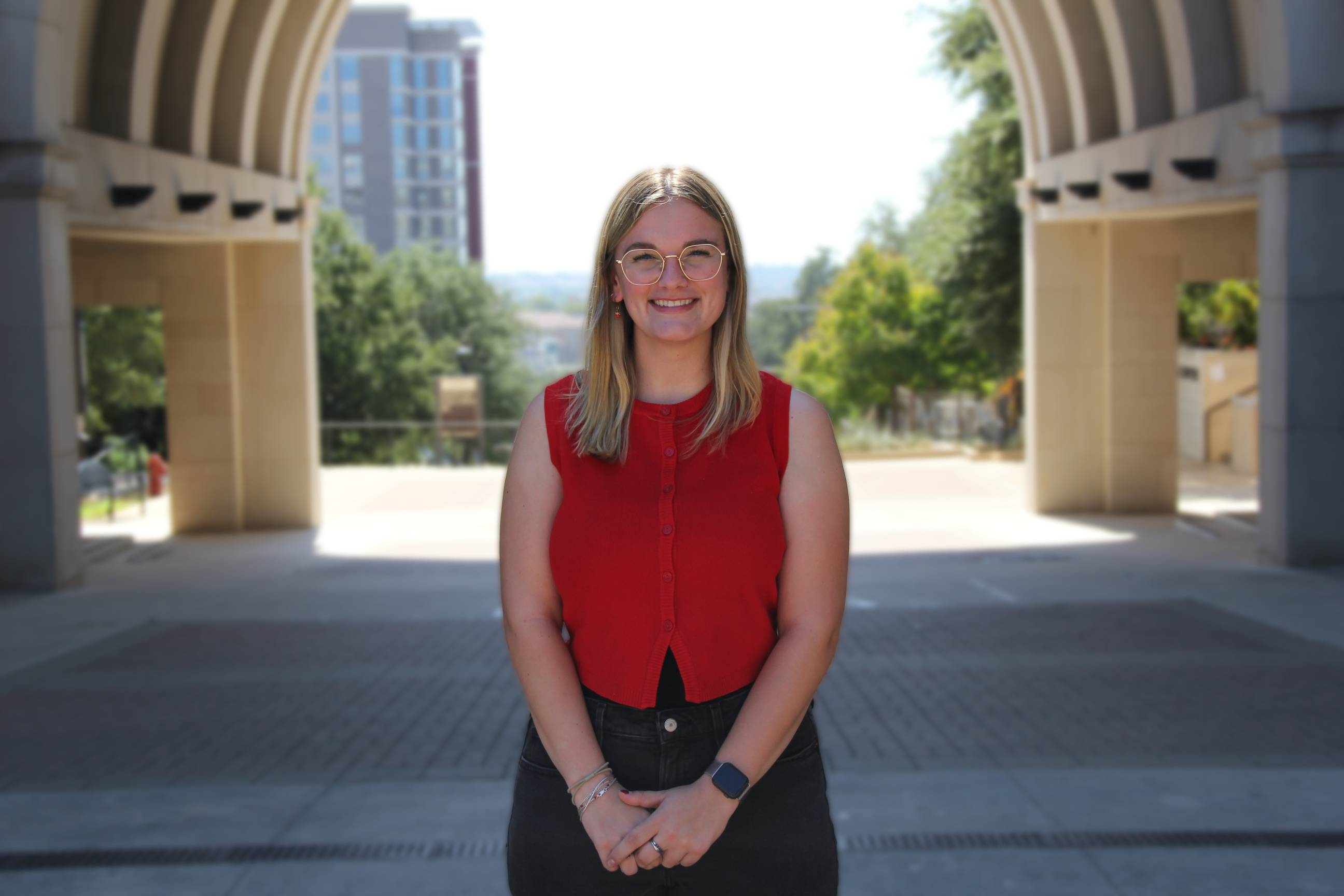
My primary research interest is sensory processing and misophonia. I am interested in studying the unique sensory experience of individuals with misophonia, and why different behavioral reactions are caused when our brains process sensory information. My goal in studying misophonia is to spread awareness and advocacy for this disorder, and to contribute novel findings to this relatively unknown field. I am working with Dr. Katherine Warnell in the Social Cognition Across Development (SCAD) Lab on projects examining the intersection of sensory processing, social cognition, and autism. In the future, I hope to pursue a Ph.D. to further research misophonia. My dream is to work in academia, continuing to contribute to research within this field while spreading knowledge about psychology!
Dr. Katherine Warnell
Austin Michael Ng Thomson
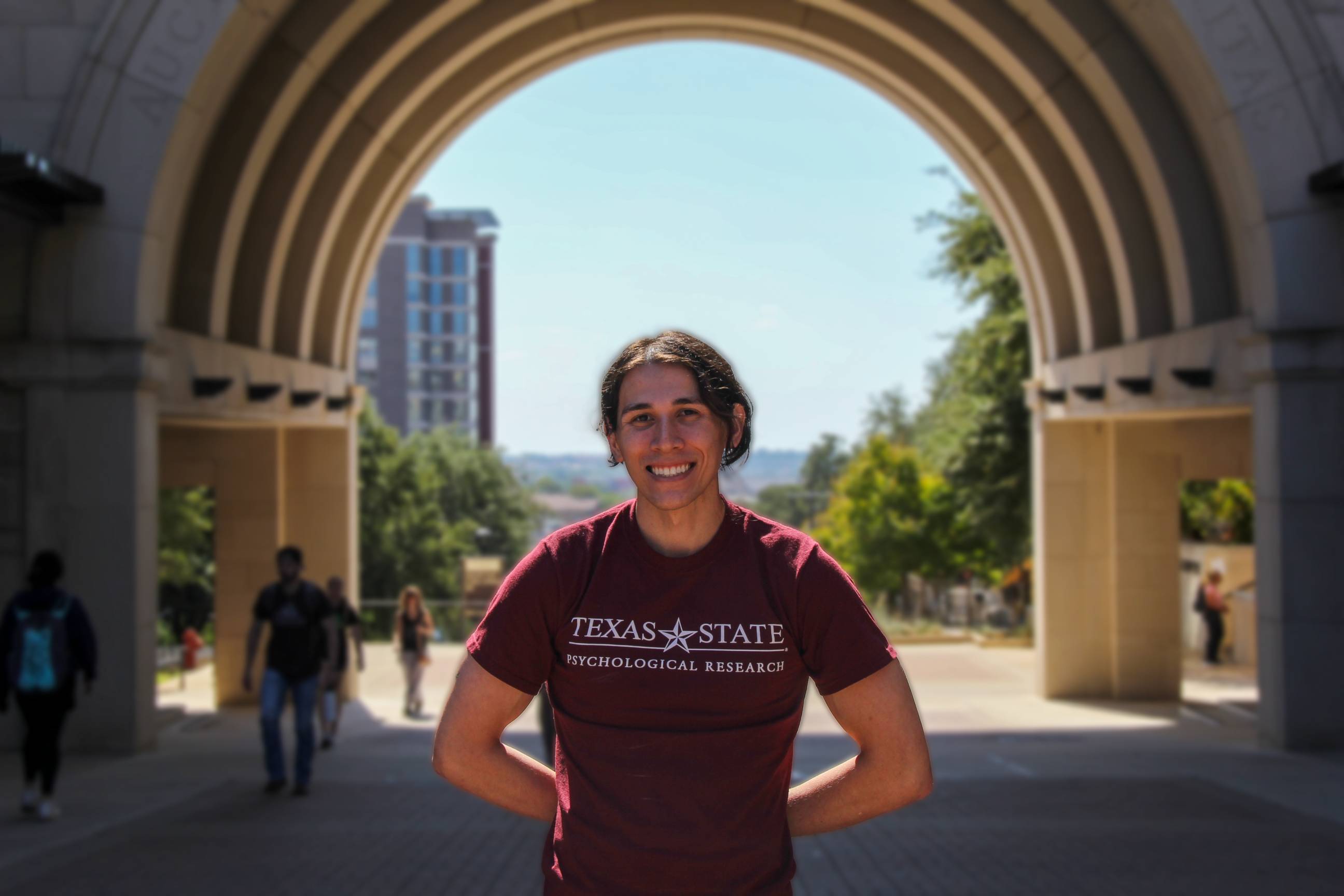
My research interests reside primarily in the realm of cognitive psychology, with emphases on metacognition and memory. I am working with Dr. Kelemen to study how physical training and its accompanying physiological effects influence one's cognitive performance. I am looking to investigate how metacognition is influenced by physical activity and other possible ways in which we can intentionally augment our cognitive abilities. Additionally, I am interested in studying skill acquisition and improving the efficiency of acquiring them, either by reducing the time necessary for or improving the retention of the learning of the skill itself. Upon completion of this program at Texas State, I plan to pursue a PhD in cognitive psychology. My goal is to continue in academia as a researcher and professor to further our understanding of human consciousness while also guiding the next generation with all the knowledge and experience that I can offer them.
Mentor: Dr. William Kelemen
Brooke Adriana Tillman
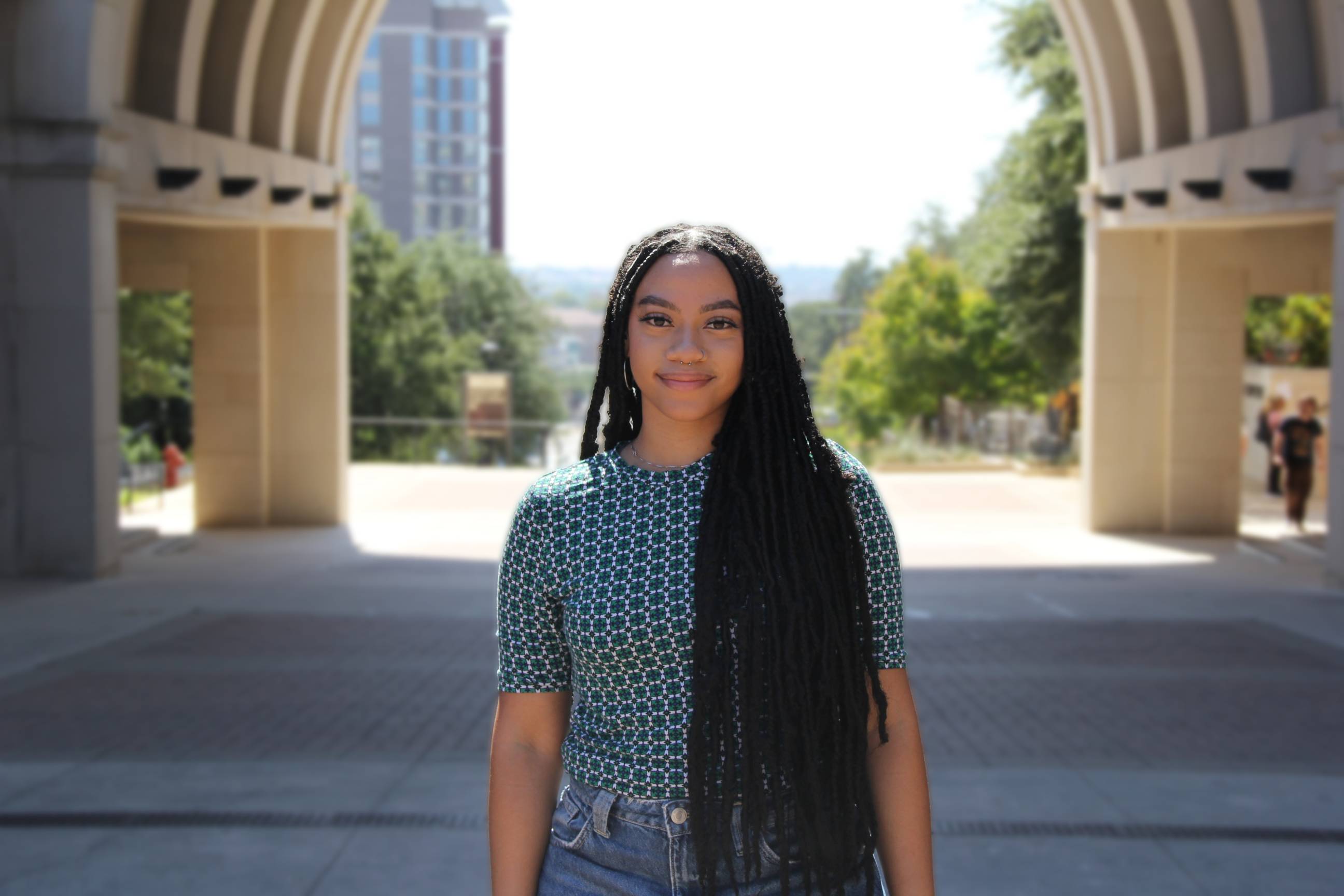
I am most interested in Clinical Psychology, Health Psychology, and Cross- Cultural Psychology. I am particularly focused on researching women’s health and trauma. I am very interested in advancing my knowledge on how traumatic experiences can impact a woman's overall health and well-being. Women’s health has always been an important topic to me, and I hope to contribute greatly in this field. My thesis will explore the different perceived cultural factors that influence individuals to seek social support after experiencing various forms of sexual assault. My thesis will focus on shame, taboo, stigma, and what leads one to disclosure. After completing my Masters in Psychological Research here at Texas State, I plan to pursue a Ph.D. in either Clinical or Health Psychology and work as a clinician. I also hope to migrate overseas to Australia to continue studying and begin my career there.
Mentor: Dr. Roque Mendez
Chelsea Monique Trejo
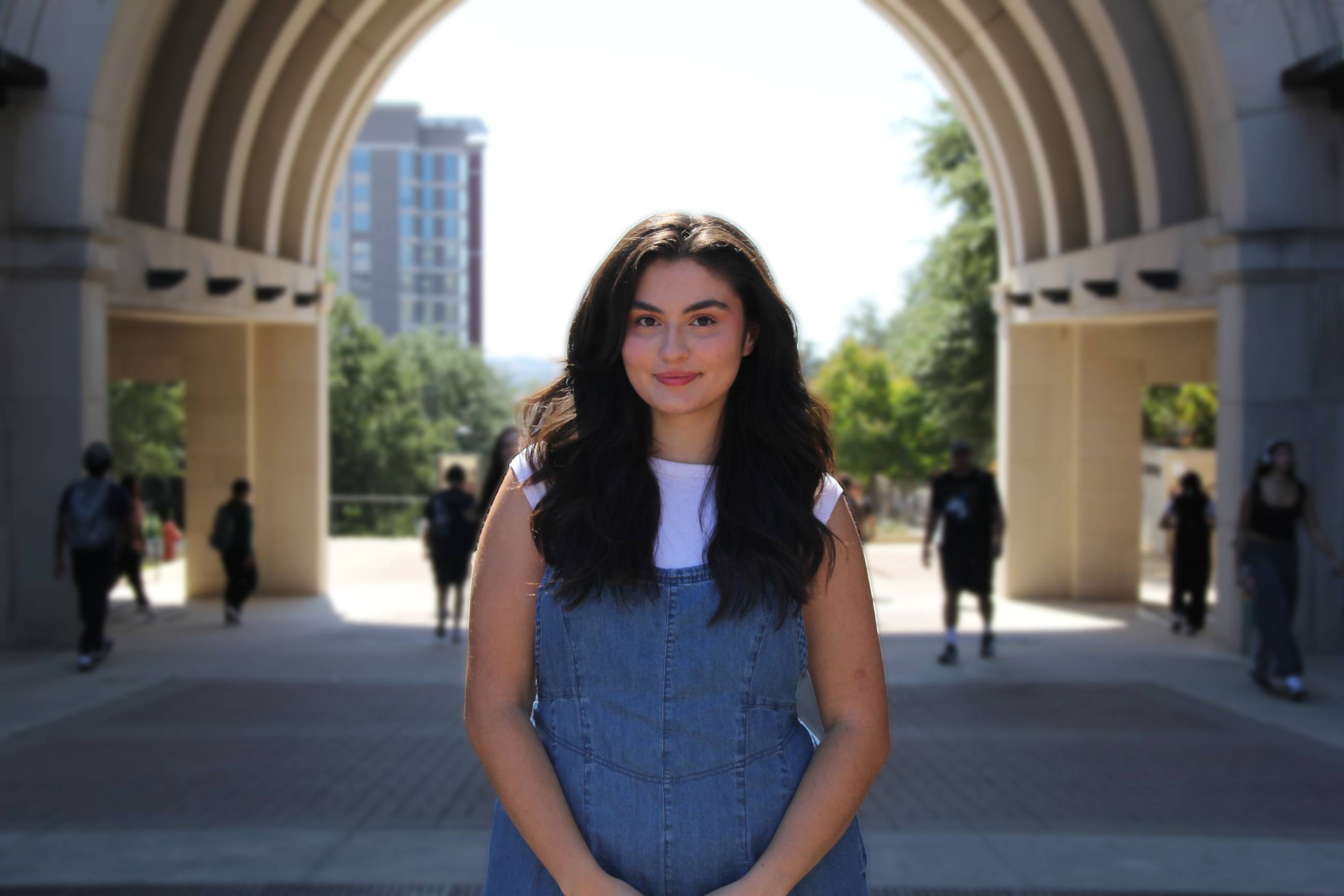
My research interests center around clinical psychology and human sexuality. I am interested in investigating the dynamics of sexual satisfaction among couples. Specifically, my current research includes self-expansion theory and how it relates to satisfaction using sexual recreational devices. I am also interested in how gender shapes our sexual experiences. After completing my master’s program at Texas State, I plan to pursue a PhD in clinical psychology with an emphasis on helping individuals struggling with sexual satisfaction. Furthermore, I hope to pursue a career in private practice where I will be able to help couples/individuals facing sexual satisfaction challenges.
Mentor: Dr. Rhonda Balzarini
Chloe Amanda Uelman
Broadly, my research interests center around clinical psychology and psychopathology. More specifically, I am interested in studying suicidality, substance use disorders, and the diagnosis, treatment, and outcomes of individuals with bipolar disorder. While in the MAPR program, I will be working under Dr. Megan Rogers and Dr. Ty Schepis in further growing my research interests and skills. With the expert guidance of my co-mentors, I look forward to learning more in the realms of suicide and substance use research and developing a strong capstone project. In the future, I plan to apply to Clinical Psychology Ph.D. programs. With that, I hope to eventually work in clinical practice and teaching in higher education.
Co-Mentors: Dr. Megan Rogers and Dr. Ty Schepis
Kenia Urena Barrera
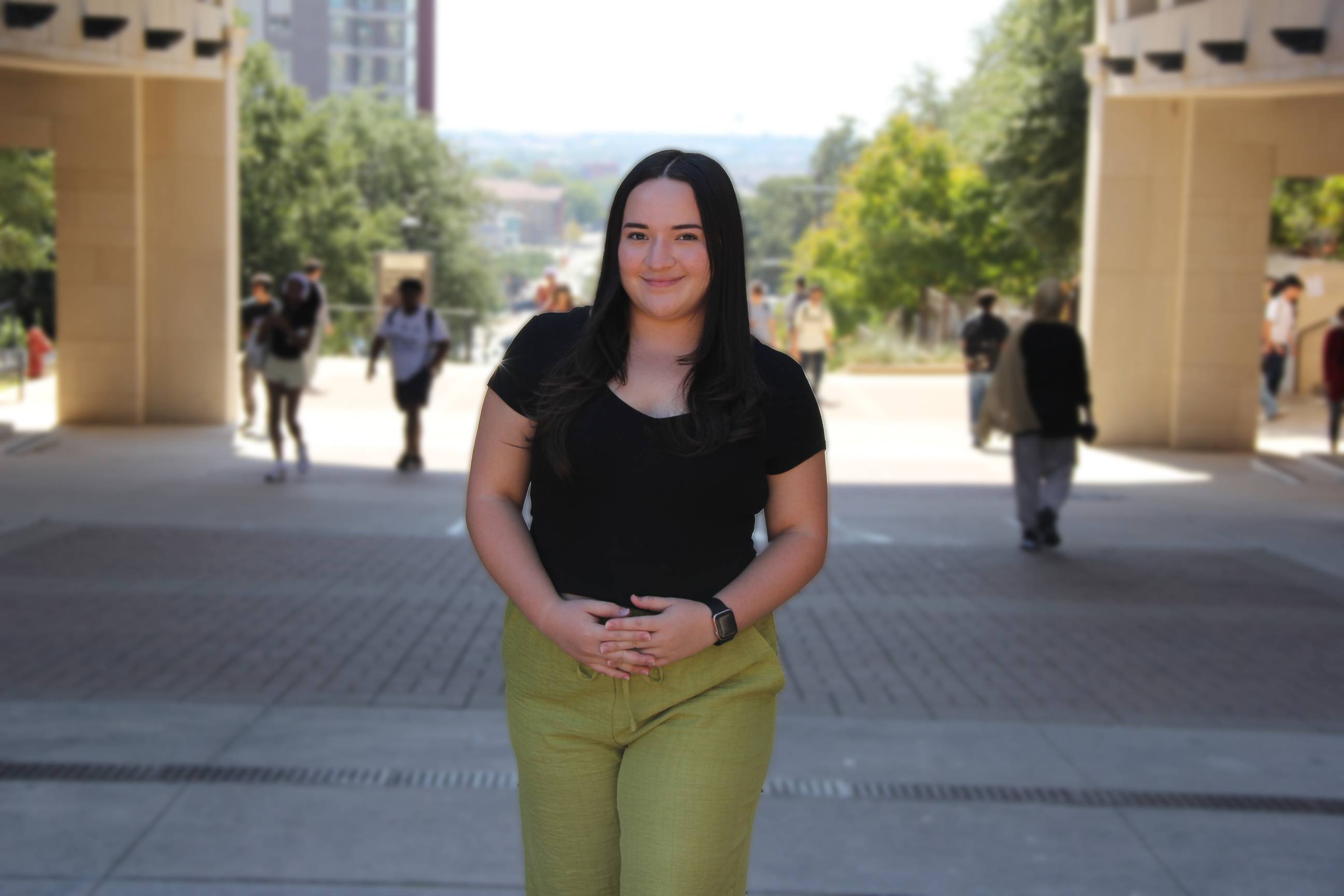
My research interests center on memory, aging, and cognitive disorders. My interests in this area were sparked by witnessing a family member’s diagnosis of Alzheimer’s disease and through my experience working in a living community of individuals with cognitive disabilities. These experiences allowed me to observe the profound impact of cognitive decline on both patients and caregivers, which has influenced me to better understand how memory processes can be preserved and improved to enhance quality of life. Through the mentorship of Dr. Rebecca Deason and my involvement in the Memory and Cognition Lab, I am actively gaining research experience and conducting studies involving memory, music, and sleep. Ultimately, I aspire to become a clinical psychologist, working in hospital settings to help adults navigate challenges with mental health and cognitive functioning. In the long term, I aim to investigate Alzheimer’s disease causes, progression, and potential interventions, while making a positive and lasting impact on patients and their caregivers.
Mentor: Dr. Rebecca Deason
Gabriela Valladares
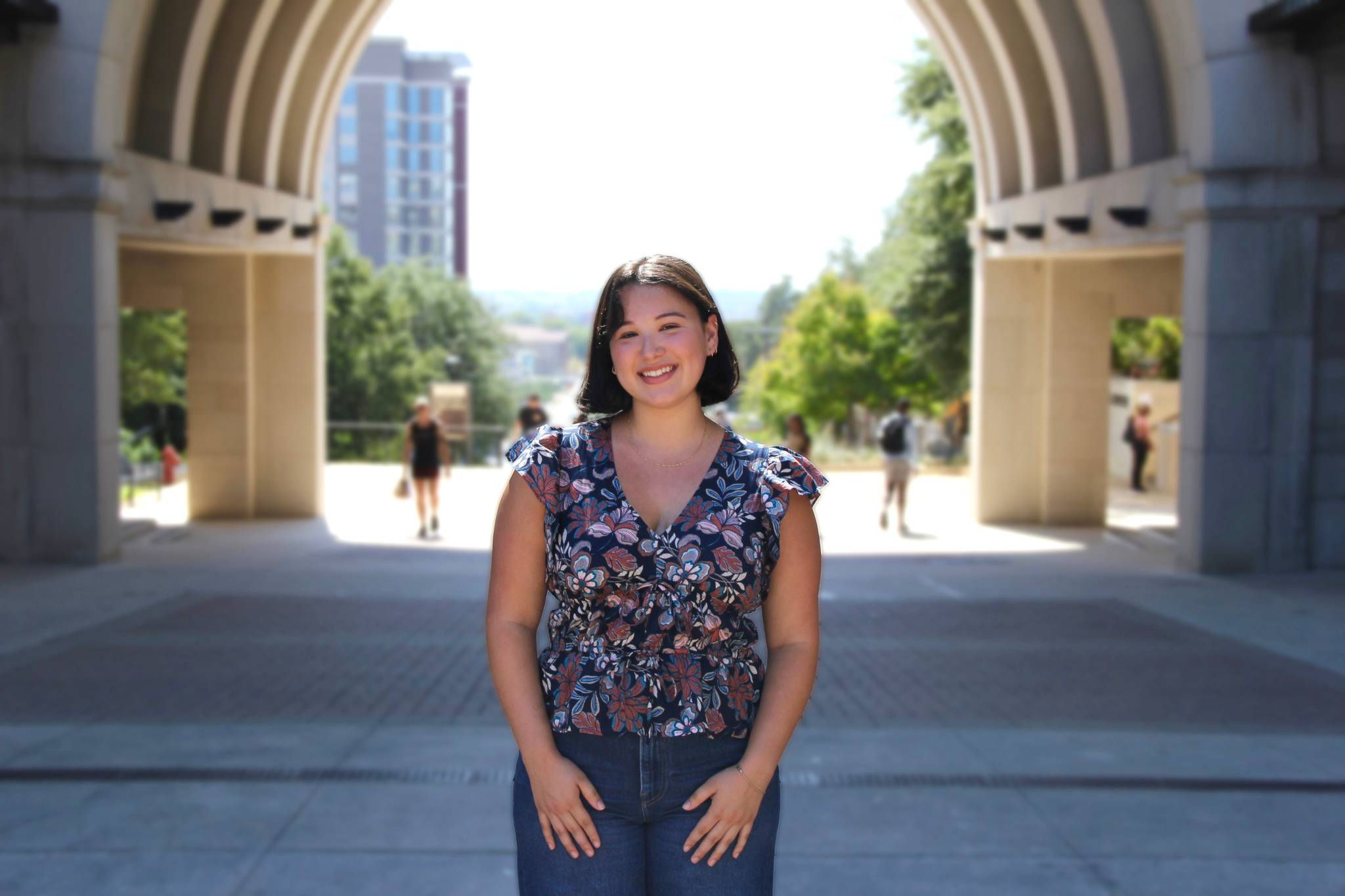
I am primarily interested in social cognitive development. My current projects focus on how complex prosocial behaviors (e.g., prosocial lying) differ between vignette-based and naturalistic contexts for both children and adults. I am also actively involved in community-based developmental science. In addition to my research in the Department of Psychology, I hold a leadership role on an NIH-funded grant in the Department of Social Work examining sexual aggression in intoxicated males using virtual reality. After graduation, I plan to pursue a PhD in social or developmental psychology to continue studying prosocial behavior and social decision-making in adults and children.
Mentor: Dr. Katherine Warnell
Kylah Wilson
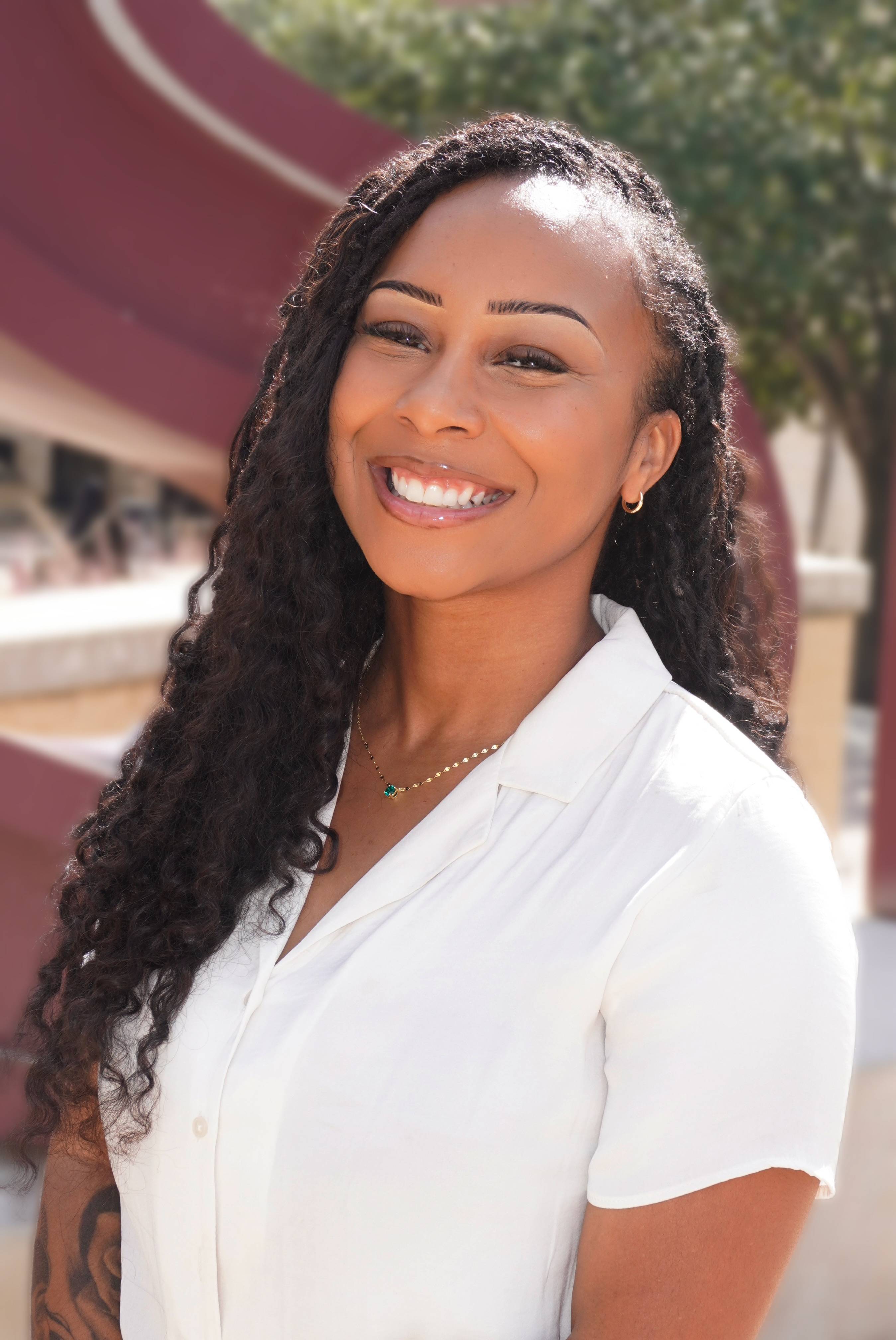
My research interests center on neurodivergence within the field of social psychology, with a focus on understanding the experiences of neurodivergent adults. I am particularly interested in how neurodivergence intersects with race and culture, and how these intersections influence perceptions, discrimination, and overall health outcomes. My work explores how being both neurodivergent and a person of color may moderate or mediate the relationship between social inclusion, stress, and mental and physical health risks. I aim to contribute to diversifying research on neurodivergence by highlighting populations that are often underrepresented in academic literature. Through this work, I hope to deepen understanding of how systemic inequities and social environments shape the lived experiences of neurodivergent adults. Ultimately, I plan to pursue a Ph.D. In Social Psychology with an emphasis on neurodivergence to continue examining these intersections and promote culturally informed approaches that support neurodiverse communities.
Mentor: Dr. Crystal Oberle
Julia Alexandra Yeager
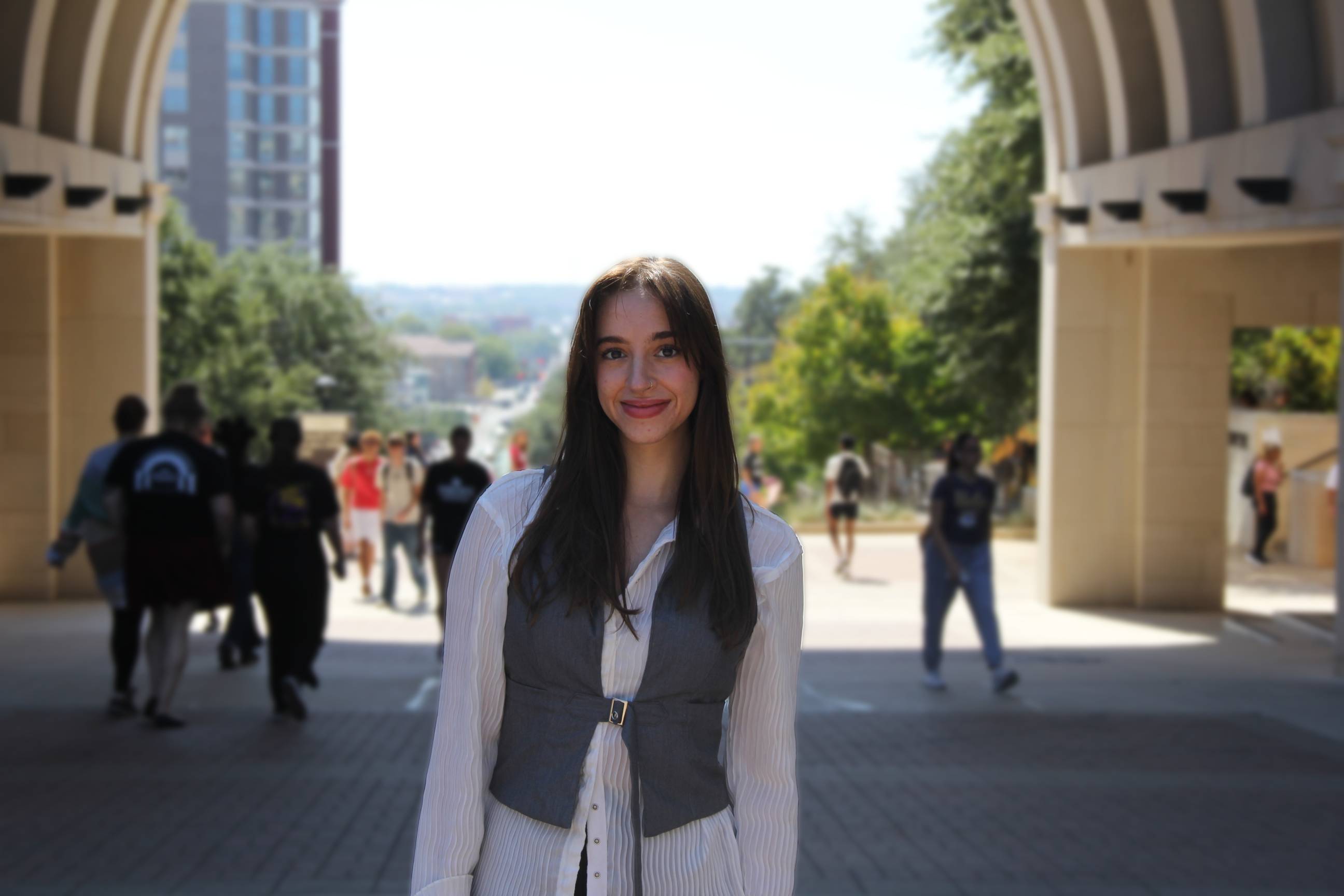
My research centers on human interaction with artificial intelligence, particularly the use of AI as a substitute for human roles in therapy and relationships. With the rise of emotionally responsive tools like chatbots and virtual companions, individuals increasingly turn to AI for advice and emotional support. With this shift, human feelings of empathy and safety, along with supportive actions of validation, which are crucial in person relationships and therapeutic relationships, may be diminished. I aim to critically examine the psychological effects of this trend. While these technologies may offer temporary relief, I am concerned about their potential to reduce the desire for real-world connection, reinforce harmful beliefs about oneself or others, and increase adverse mental health symptoms due to misalignment with actual therapeutic needs. Ultimately, I hope to contribute to a deeper understanding of the risks involved in replacing genuine human interaction with artificial substitutes, specifically in emotionally sensitive roles.
Mentor: Dr. Maria Czyzewska
Lily Grace Yoder
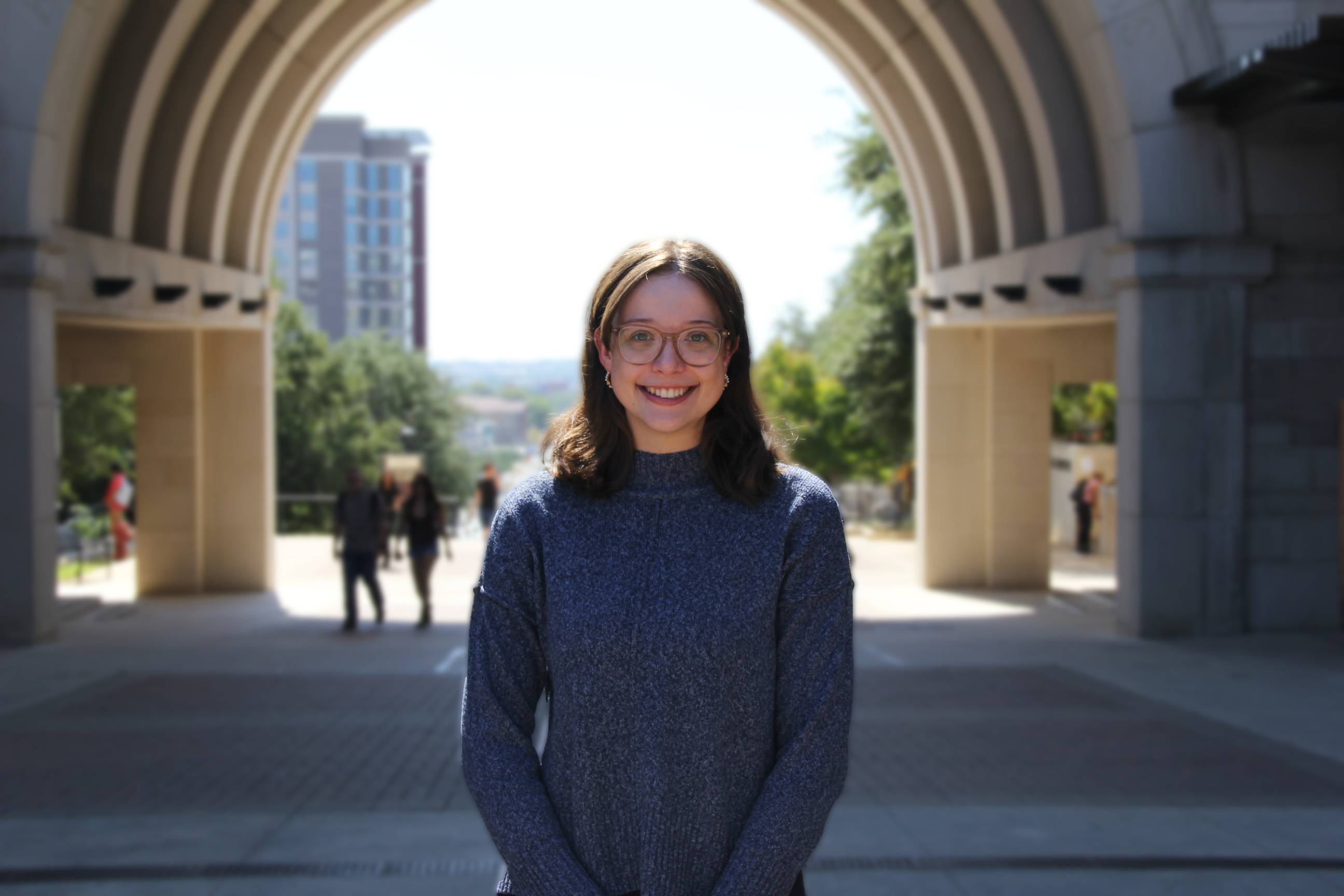
My research focus is in memory and I am interested in cognitive psychology, more broadly. Specifically, I am interested in the internal and external mechanisms that shape our autobiographical memory, which influences how we view ourselves and the life we have created, allowing us to make sense of our diverse experiences. Of particular interest to me are those with highly superior autobiographical memory, who represent a rare population of individuals who have far better autobiographical memory than most. I will focus on those with highly superior autobiographical memory for my capstone project which will be further developed as the year progresses, investigating possible ways these individuals may not only construct their life experiences differently, but actually experience differences in relationships, PTSD, and rumination. Currently, I am participating in ongoing projects in Dr. Westerberg’s Cognitive Neuroscience Lab, researching aspects of memory related to singing versus spoken phrases, sleep, and emotional memory consolidation. In the future, I hope to pursue a Ph.D. in either cognitive psychology or clinical psychology, where I can do ongoing research on autobiographical memory and help individuals have better quality of life by better understanding the memory processes through which we create and organize our existence.
Mentor: Dr. Carmen Westerberg